

Imagine standing by a crystal-clear mountain stream. The water looks perfect, right? But hold on.
Even the most pristine water can hide bacteria and parasites that will ruin your adventure. You don’t want to end up sick in the wild. Trust me, I’ve been there.
This guide? It’s your no-nonsense solution. I’ll show you how to make sure what you’re drinking is actually safe.
Our team, with decades of backcountry experience, has relied on these methods countless times. We’ve learned the hard way, so you don’t have to.
The goal here is simple. We want you to confidently tackle any wilderness outing with the know-how to find and purify water safely. When it comes to purifying water wilderness skills, this guide’s got you covered.
Ready to dive in?
The Invisible Dangers: Why ‘Clean-Looking’ Water Isn’t Safe
Ever sipped on crystal-clear water in the wilderness thinking you’re safe? I used to do that too. But here’s the kicker: you can’t see, smell, or taste the real threats lurking in there.
Let’s break it down. Protozoa, like Giardia and Cryptosporidium, are these microscopic troublemakers causing havoc in your gut. They’re literally tiny, but boy, do they pack a punch.
Then, we have bacteria. E. coli and Salmonella sound familiar? They should.
These are often found in water contaminated by animal or human waste. Gross, right? Yet, you wouldn’t know they’re there until, well, it’s too late.
Viruses are another story. Think Hepatitis A and Norovirus. Smallest among the threats, they’re especially concerning in areas with high human traffic or less developed sanitation systems.
But don’t get too comfortable assuming they’re only a problem in faraway places. They’re everywhere.
Treating all natural water sources is a must. It’s a non-negotiable rule of outdoor safety. If you’re serious about surviving out there, you should check out these top wilderness survival hacks beginners.
Trust me, purifying water wilderness-style isn’t just smart (it’s) important.
Choose Wisely: Water’s First Step
When you’re out in the wilderness, purifying water isn’t just about filters and gadgets. It’s about making smart choices from the start. Can you imagine hiking miles only to find your purifier clogged with muck?
That’s why selecting the right water source is key.
First, always aim for moving water. Streams or rivers tend to be cleaner than stagnant ponds or lakes. Standing water is a breeding ground for bacteria and who knows what else.
You don’t want to drink a frog’s home, do you?
Another tip? Look upstream. Be mindful of what’s above your collection point.
If you’re downstream of a campsite or grazing animals, you’re likely getting more than just H2O. And speaking of collection, don’t just dip your bottle in from the edge. Wade into the current (safely, of course) and grab water from the middle.
Avoid those silty edges that clog filters faster than you can say “help.”
Pre-filtering is a lifesaver. Trust me, using something as simple as a bandana over your bottle can strain out large debris. Extending the life of your filter is worth the extra step.
For more on this, check out the water treatment hiking camping traveling advice from the CDC.
Remember, purifying water wilderness style starts before you even touch your gear. Choose smart, drink safe.
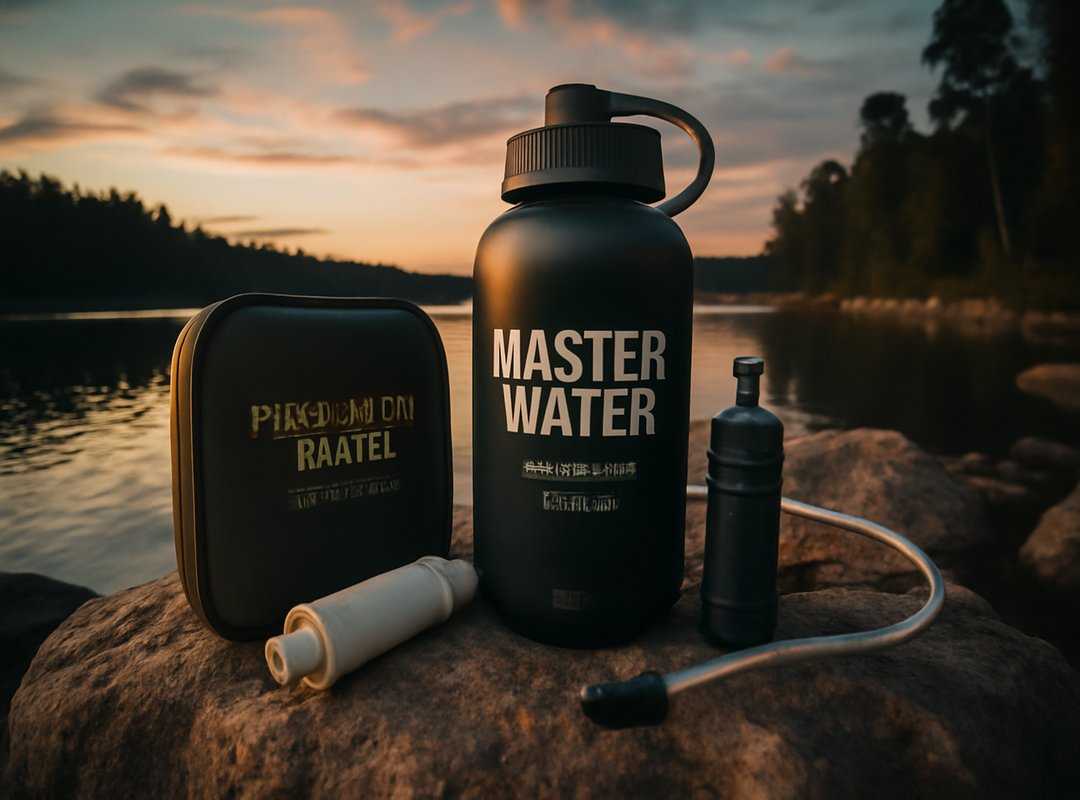
Your Purification Toolkit: Master Water Cleansing
When you’re out in the wild, purifying water is a non-negotiable. You don’t want to mess with this. Let’s dive into three proven methods to make sure you’re drinking safely.
Method 1: Boiling
Boiling is the most foolproof way to kill all those nasty pathogens lurking in water. You simply bring water to a rolling boil for at least a full minute. If you’re above 6,500 feet, make that three minutes.
Altitude affects boiling time, and it’s key to remember this detail.
The pros? Absolute effectiveness. Every germ is dead.
The cons, though, can be annoying. You need fuel, it takes time, and then there’s the waiting game for it to cool down. But hey, better safe than sorry.
Method 2: Filtering & Purifying
Here’s where it gets a bit technical. Filters and purifiers are not the same. Filters remove bacteria and protozoa.
Purifiers go a step further and neutralize viruses too. It’s a key difference you need to know when you’re choosing your gear.
There are several types: squeeze filters (like the Sawyer Squeeze), pump filters, and gravity filters. Each has its quirks. Filters are quick and can improve water taste, a huge plus.
But they can clog, freeze, or even crack if you’re not careful. Maintenance is a must.
Method 3: Chemical Treatment
Chemical treatments are another lightweight option. Chlorine Dioxide and Iodine are your go-tos here. Remember to follow the manufacturer’s directions to the letter.
Wait times are key (30 minutes for most bacteria/viruses, up to 4 hours for Crypto).
The beauty of chemical treatments is they’re ultralight and simple. But waiting around isn’t fun, and the chemical taste is not for everyone.
In the wilderness, choosing the right method depends on your circumstances. Boiling is solid but resource-heavy. Filters are fast but need care.
Chemicals are light but have that taste. You might even want to mix methods.
And if you’re planning to start a campfire, you’ll want to learn more about fire starting techniques every camper should know.
So, are you ready to tackle the wild? With this toolkit, purifying water in the wilderness shouldn’t be daunting. Just stay informed, choose wisely, and stay safe.
Which Method Is Right for Your Adventure?
to it. Choosing the right method for purifying water wilderness-style is like picking the perfect sidekick for your superhero journey. You want something reliable, not too fussy, and ideally, multi-talented.
For the day hiker, a lightweight squeeze filter or a small bottle of purification drops is your best bet. Quick, easy, and doesn’t weigh you down. It’s like having a trusty (without the cliche).
Weekend backpackers, listen up! A gravity filter is your friend. At camp, it can handle a lot of water without much effort.
But don’t forget a squeeze filter for when you’re on the move. It’s like having a portable water station.
Now, for groups, go big or go home. A high-capacity gravity filter or a good pump filter keeps everyone hydrated without the drama. Imagine passing around a tiny straw filter like it’s a peace pipe (awkward) and inefficient.
Here’s a pro tip: follow the “Two is One, One is None” philosophy. Always carry a primary method and a lightweight backup. Because if your main filter fails (and it might), you’re not stuck drinking questionable creek water.
Ultralight thru-hikers, you folks need the lightest option. Chemical treatments, like Chlorine Dioxide drops, are as compact as it gets. Think of it as the featherweight champion of water purification.
So, which method suits your adventure? It all boils down to your trip type and personal preference. Remember, the wilderness doesn’t care if you’re prepared or not.
But you should.
Stay Secure, Stay Hydrated
On every adventure, the fear of unsafe water lingers. But don’t let it hold you back. By mastering the art of purifying water wilderness style, you can drink freely.
Know your options: pick a reliable source and purify with proven methods. It’s simple but effective, and it puts safety in your hands.
What’s next? Before you hit the trail, decide on your water treatment gear. Pick a primary method and a backup.
Pack them first. Your health isn’t just important (it’s) non-negotiable. Gear up smart.
Stay safe. Take on the wild with confidence. Ready to quench your thirst?