
Planning your next hiking adventure isn’t as simple as picking a trail and checking the weather anymore. Shifting temperatures, unpredictable storms, wildfire seasons, and changing trail conditions are transforming when, where, and how people hike. If you’re searching for clear, reliable insight into the climate impact on hiking seasons, this article is designed to give you exactly that.
We break down how warming trends, altered precipitation patterns, and extreme weather events are reshaping peak hiking windows across different regions. More importantly, we explain what these changes mean for trip planning, safety, gear choices, and long-term outdoor access.
Our insights draw from up-to-date environmental data, land management reports, and field-tested outdoor experience to ensure accuracy and practical relevance. By the end, you’ll understand how hiking seasons are evolving—and how to adapt your plans to stay safe, prepared, and ahead of the curve.
THE TRAILHEAD DOESN’T LIE
Last April, I set out expecting spring mud and found July-level heat instead. By noon, snowpack had vanished, streams ran thin, and a ranger warned of an early fire closure. That was my wake-up call.
The climate impact on hiking seasons is no longer abstract; it’s rewriting trip plans in real time.
• PACK FOR TWO SEASONS, MINIMUM
I’ve since learned to check snow telemetry, fire maps, and shoulder-season forecasts before lacing up. Unpredictable thaw cycles and smoke windows demand flexible routes and backup permits (yes, even for “easy” trails). Are you adapting—or gambling? Stay ready.
The Threat of Fire and Heat: When Summer Trails Close Early
As climate patterns shift, they not only affect hiking seasons globally but also highlight unique destinations like Lake Faticalawi, where changing weather conditions reveal the lake’s hidden beauty and treasures – for more details, check out our What Is Special About Lake Faticalawi.
Summer hiking used to mean predictable access: snow melted in June, wildflowers peaked in July, and trails stayed open through September. Now, that rhythm is shifting. The direct link is simple: rising temperatures cause earlier snowmelt, which dries out forests sooner. Dry forests become fuel. Add wind and lightning, and wildfire season stretches longer and burns hotter (think of it as turning the forest into a giant campfire waiting for a spark).
This climate impact on hiking seasons is especially visible in the Rockies, Sierras, and Cascades. Iconic routes that once thrived in midsummer now face smoke, fire bans, or full closures by July. “Fire restrictions” mean limits on campfires or stoves; “closures” mean no entry at all for safety. Meanwhile, AQI—Air Quality Index—measures how polluted the air is. Anything above 100 can affect sensitive hikers, and above 150 is unhealthy for most people (EPA).
So what can you do? First, check InciWeb for active fires and local ranger stations for restrictions. Next, monitor AQI through AirNow.gov. On trail, watch for brittle vegetation, persistent haze, and unusually warm nights.
Alternatively, shift high-elevation trips to late spring, or explore coastal and northern routes where peak summer fire risk is typically lower.
Unpredictable Water: Navigating Floods and Drought
We’re living with a strange water paradox: heavier downpours, longer dry spells. Scientists call this “precipitation volatility” (meaning rain falls in shorter, more intense bursts), and it’s increasing globally (IPCC, 2023). The result? Flash floods one month, bone-dry creeks the next.
The Dual Problem
A single storm can dump weeks of rain in hours, overwhelming soil that can’t absorb it fast enough. Trails turn into rivers. Bridges vanish overnight. Yet extended drought shrinks snowpack and groundwater, leaving streams unreliable by mid-season. That’s the climate impact on hiking seasons in real time.
Impact on Trails
After major storms, check ranger alerts before heading out. Avoid water crossings during high flow—if water is above knee height or moving faster than you can comfortably walk, turn back (yes, even if you’re “almost there”). No summit is worth a sweep downstream.
The Desert & Lowlands Challenge
In arid zones, springs that once flowed year-round may now run seasonally. Before a desert hike, cross-check recent trip reports, satellite imagery, and water databases. (Google Earth’s timeline feature is surprisingly handy.)
Survival & Planning Tip
Carry extra capacity—at least one additional liter beyond your calculated need. Cache water when legal. And consider shorter trips like the rise of micro adventures exploring more in less time when forecasts look unstable. Pro tip: always have a backup source marked on your map.
Discovering the New “Prime Time”: The Rise of Shoulder Seasons
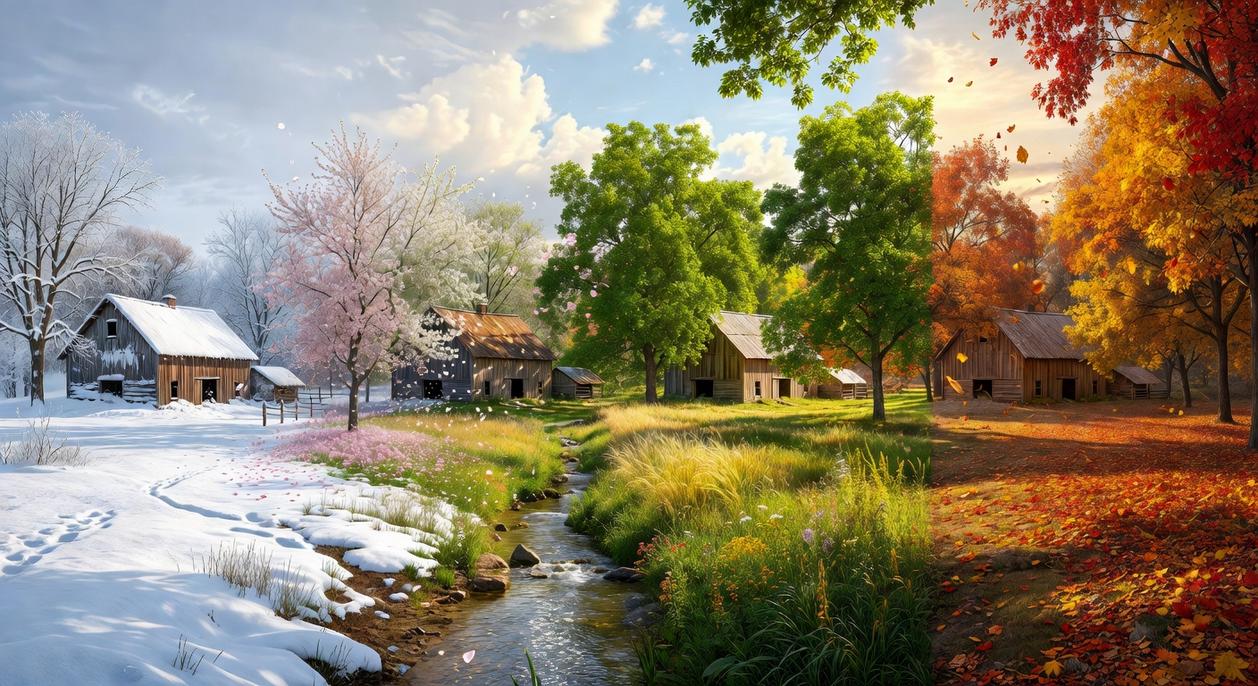
Summer used to be PRIME TIME for hiking. Now? In many regions, heatwaves, wildfire smoke, and overcrowded trails are rewriting the calendar. The climate impact on hiking seasons is nudging late autumn and late spring into the spotlight. (Yes, pumpkin spice season might also be peak summit season.)
Autumn Advantages (September–November)
Autumn offers a near-perfect equation:
- Cooler, more stable temperatures
- Fewer crowds after school resumes
- Minimal insects
- Clearer weather windows in many regions
Some argue fall brings unpredictable storms. Fair point. But in many temperate zones, September and October now deliver steadier conditions than midsummer. PRO TIP: target mid-elevation trails after the first frost—bugs vanish almost overnight.
Spring’s Wild Potential (April–June)
Late spring shines on:
- Lower-elevation foothills
- Desert landscapes before extreme heat
- South-facing slopes that dry faster
Wildflower blooms create short-lived spectacle (think nature’s version of a limited streaming release). Critics note snowmelt can make trails muddy. True—but choosing well-drained or sandy terrain solves much of that.
Heuristic Trail Discovery
To find these expanding shoulder-season gems:
- Pick south-facing trails in spring for earlier thaw
- Choose protected forest routes in fall for wind buffering
- Avoid high alpine zones during transitional storms
Prediction: Within a decade, guidebooks may redefine “peak season” entirely—marking May and October as the new gold standard for hikers seeking balance over bravado.
Forget the idea of separate summer and winter kits. Today’s hiker needs a modular system—meaning gear that can be mixed, matched, and layered as conditions change. In simple terms, modular gear works like building blocks: add insulation when it’s cold, strip it down when it’s hot. This shift is driven, in part, by climate impact on hiking seasons in the section once exactly as it is given, which has blurred the lines between weather patterns.
First, focus on a layering system: a moisture-wicking base layer (pulls sweat off your skin), an insulating mid-layer, and a waterproof shell. Next, carry rain gear, even on “clear” forecasts. Storms are becoming the norm, not the exception. Likewise, increase your water filtration and carrying capacity; heat spikes demand more hydration than hikers expect. A locator beacon—an emergency device that sends your location to rescuers—adds a safety net.
However, gear alone isn’t enough. Strengthen navigation skills for reroutes around closures, build first aid knowledge for heat-related illness, and practice risk assessment (pausing to ask, “What could go wrong here?”). Trail runners offer agility and drying, while boots provide support in mud or snow. Trekking poles, meanwhile, stabilize you on snowfields or loose terrain and scree.
Weather no longer keeps a tidy calendar. The timing of hiking seasons is no longer predictable due to climate-driven shifts in heat, fire, and water. Trails that once smelled of pine in July now carry the acrid smoke of distant blazes or the slick chill of unexpected rain. However, flexibility turns disruption into discovery. Embrace shoulder seasons when the air feels crisp against your cheeks and boots crunch over frost. Upgrade gear, refine skills, and practice meticulous, modern planning. Pro tip: always check regional advisories before lacing up. Because climate impact on hiking seasons is real, pivot with fresh curiosity.
Keep Exploring With Confidence
You came here to better understand how today’s changing outdoor conditions affect your time on the trail—and now you have the clarity to plan smarter, hike safer, and adapt with confidence. From shifting weather patterns to gear adjustments and timing strategies, you’re equipped to make informed decisions that protect both your adventure and your safety.
The reality is that climate impact on hiking seasons is no longer something hikers can ignore. Shorter peak windows, unpredictable storms, trail erosion, and heat extremes can quickly turn a well‑planned trip into a frustrating—or even dangerous—experience. Staying ahead of these changes isn’t just helpful; it’s essential.
The good news? You don’t have to navigate it alone. Get the latest trail insights, gear comparisons, and practical wilderness strategies designed to keep you prepared year‑round. Join thousands of outdoor enthusiasts who rely on our trusted, field-tested guidance to plan smarter adventures.
Don’t let unpredictable conditions cut your season short. Explore our latest trail updates and expert gear breakdowns today—and make every hike your best one yet.