
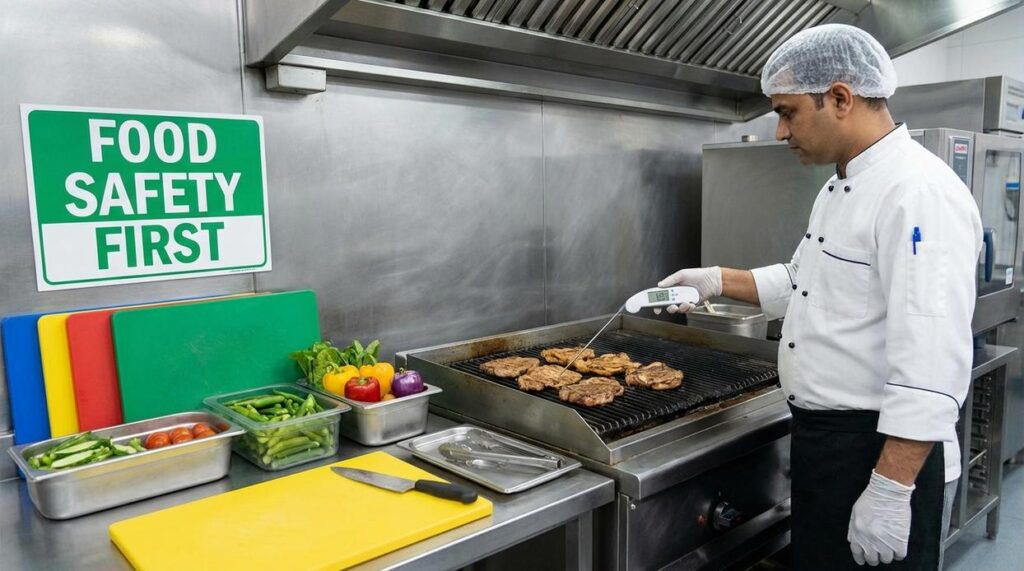
Planning a successful outdoor adventure often comes down to preparation—especially when it comes to food. If you’re searching for a clear, practical guide to camp kitchen essentials, you likely want to know exactly what to pack, what to skip, and how to cook efficiently in the wild without overloading your gear. This article is designed to help you build a reliable, lightweight, and functional camp kitchen setup that works whether you’re heading out for a weekend getaway or an extended backcountry trek.
We’ve gathered insights from seasoned outdoor enthusiasts, tested gear in real trail conditions, and evaluated what truly holds up in changing weather and rugged environments. The result is a focused, no-fluff breakdown of the tools, cooking equipment, and smart hacks that make outdoor meal prep easier, safer, and more enjoyable—so you can spend less time troubleshooting and more time embracing the adventure.
Nothing beats a hot meal under the stars after miles on the trail. But a forgotten lighter or bulky gadget can sabotage that magic. This guide delivers a streamlined checklist of camp kitchen essentials so you pack smart, cook faster, and savor every bite. You gain lighter packs, smoother prep, and fewer “why didn’t I bring that?” moments. We define must-haves (compact stove, multi-use pot) and skip fluff. Pack with purpose, and you trade stress for confidence. Pro tip: test your setup at home once. The payoff? More time relaxing by the fire, less scrambling in the dark. Guaranteed comfort.
The Core Cooking System: Heat and Hardware
When you’re gearing up for a successful outdoor adventure, don’t forget to check our tips on providing nutritious meals in the wilderness, like those featured in our article on Faticalawi.
This is the non-negotiable foundation of your kitchen. Get this right, and everything else follows. Think of it as the engine room of your setup—without reliable heat, you’re just carrying fancy containers.
Camp Stove: The heart of your setup. There are three common types, and the differences matter.
- Propane stoves connect to larger tanks. They’re stable, easy to use, and great for groups (car camping families love them).
- Canister stoves screw onto small fuel canisters. They’re lightweight and ideal for backpacking where every ounce counts.
- Liquid fuel stoves run on white gas or similar fuels. They perform best in cold weather because liquid fuel handles freezing temps better than pressurized canisters.
Fuel isn’t interchangeable. Always confirm your stove matches your fuel type. And pack extra. Wind can double fuel consumption—yes, really.
Fire starters are about redundancy (a fancy word for backup plans). Pack:
- A lighter
- Waterproof matches
- A ferro rod (a metal rod that throws sparks when scraped)
Don’t rely on a single spark source.
For cookware, stick to the basics: a 1–2 liter pot with a lid and a frying pan. Nesting sets—where pieces stack inside each other—save space and keep your camp kitchen essentials organized.
Meal Prep and Food Handling Essentials
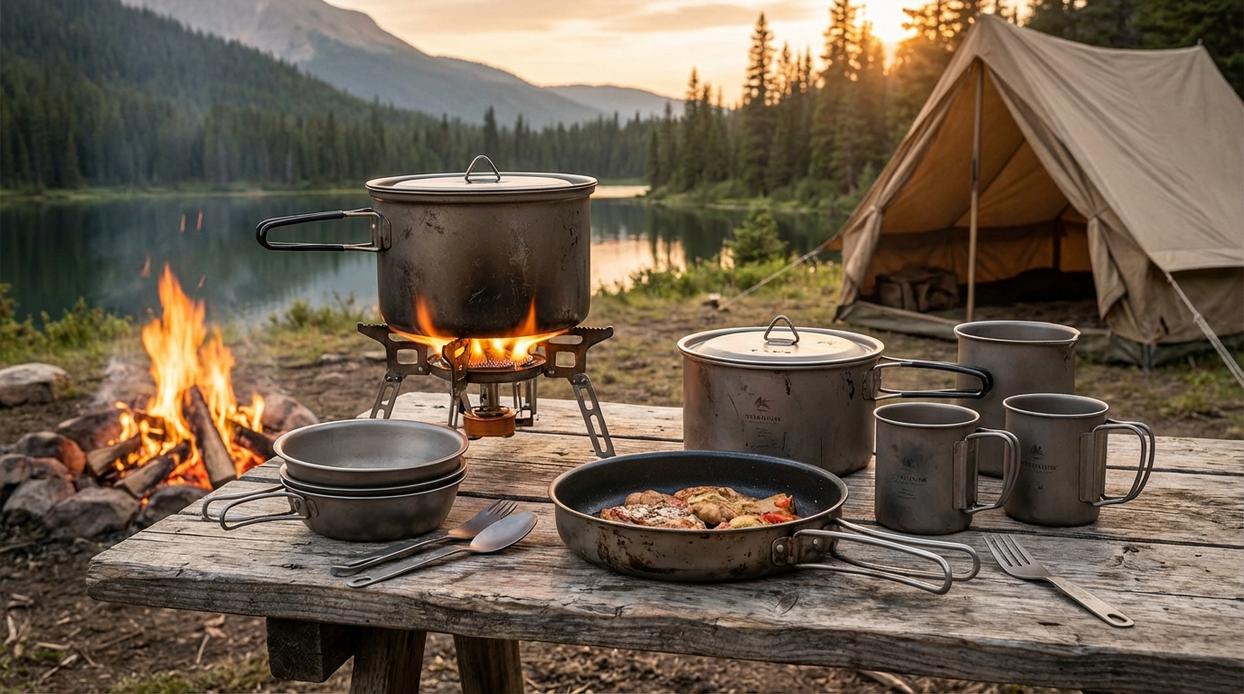
Efficient prep turns chaos into calm. When you organize your camp kitchen essentials thoughtfully, cooking outdoors feels less like survival and more like Sunday dinner (just with better views).
Cutting & Chopping
First, prioritize a sharp knife. A fixed blade (a non-folding knife known for strength) offers durability, while a sturdy folding knife saves space. Pair it with a small, flexible cutting board—flexible boards bend slightly, making it easier to funnel chopped food straight into a pot. Dull blades cause more injuries than sharp ones because they slip under pressure (the National Safety Council backs this up). Pro tip: pack a simple blade sharpener; it weighs almost nothing and keeps prep safe.
Utensils for Cooking
Next, stick with three core tools: a heat-resistant spatula, a large stirring spoon, and reliable tongs. Silicone spatulas withstand high heat without melting, and metal tongs give you control over open flames. Additionally, bring a multi-tool with a can opener. It replaces multiple gadgets—always a win when space is tight.
Utensils for Eating
Choose durable plates or bowls made of enamel or BPA-free plastic (BPA-free means the plastic lacks bisphenol A, a chemical linked to health concerns according to the FDA). An insulated mug handles both coffee at sunrise and chilled drinks by sunset. A spork or compact cutlery set per person keeps things simple.
Food Storage & Cooler
Finally, invest in a quality cooler. Pre-chill it, use block ice (it melts slower than cubes, per USDA guidance), and store food in watertight containers. If required, add a bear canister or dry box to keep curious wildlife out. For more practical outdoor prep tips, check out layering 101 dressing smart for changing weather.
The Cleanup Crew: Keeping Your Campsite Clean & Safe
A clean campsite isn’t just about appearances—it’s about health, safety, and stewardship. “Leave No Trace” means minimizing human impact on natural spaces (in other words, don’t leave your spaghetti evidence behind).
Here’s a simple, field-tested system you can follow.
1. Set Up a Two-Basin Washing Station
Bring two collapsible sinks: one for washing with biodegradable soap, one for rinsing. Heat water if possible—it cuts grease faster. Pro tip: strain food scraps from dishwater before disposal to prevent attracting wildlife.
2. Scrub Smart, Dry Fast
Use a pot scraper first (it saves water), then a sponge or durable cloth. Finish with a quick-dry towel. Air-drying works too—just keep items off the ground.
3. Haul Water Efficiently
A dedicated water jug or collapsible carrier keeps your workflow smooth. Fill it once, use it strategically. Think of it as part of your camp kitchen essentials.
4. Pack It All Out
Bring heavy-duty trash bags and seal them tightly. Yes, even food scraps. According to Leave No Trace Center for Outdoor Ethics, leftover food can disrupt wildlife behavior and ecosystems.
Some campers argue burning trash is fine. It’s not—many materials release toxins or leave residue. Clean campsites protect nature—and your next meal spot.
Beyond the Basics: Comfort and Flavor Enhancers
I still remember the first time I thought I had packed all my camp kitchen essentials—only to realize I’d brought zero seasoning. The food was technically fine. Memorable? Not even close. Since then, I never skip the extras that turn a meal into an experience.
First, the spice kit. A few small containers of salt, pepper, garlic powder, and a favorite herb blend weigh almost nothing, yet they transform grilled veggies or fresh-caught fish. Add a small bottle of cooking oil and suddenly you’re not just surviving—you’re cooking. (Bland campsite chili is a morale killer.)
Then there’s coffee. While some argue instant packets are easier, I’ve found a compact French press or pour-over cone makes chilly mornings feel almost luxurious. That first real cup, steam rising into pine-scented air, changes everything.
Finally, ambiance matters. A wipeable tablecloth, steady lantern, and supportive camp chairs invite you to linger. And after a long hike, lingering is the whole point.
Packing smart turns chaos into comfort. A streamlined camp kitchen essentials plan means fewer forgotten tools and more time by the fire (where stories get better every night).
Focus on FOUR pillars:
- COOKING: compact stove, fuel, lighter.
- PREP: cutting board, sharp knife, sealed containers.
- CLEANUP: biodegradable soap, sponge, trash bags.
- COMFORT: camp chairs, table, headlamp.
Ask yourself: do you really want to chop vegetables on your cooler lid?
Start with this checklist, then tailor it to trip length, group size, and menu. TEST your setup at home first. Smart prep equals better meals and calm mornings.
Ready for Better Outdoor Cooking
You set out to simplify your outdoor setup and figure out what truly matters when building a reliable camp kitchen. Now you know exactly which camp kitchen essentials make the biggest difference in convenience, safety, and flavor—without overpacking or overspending.
Struggling with cluttered gear, forgotten tools, or meals that fall flat can turn an incredible trip into a frustrating one. The right setup eliminates that stress. With a streamlined system, you cook faster, eat better, and spend more time enjoying the outdoors instead of managing chaos.
Here’s the move: review your current setup, upgrade the weak points, and build around proven, field-tested gear that holds up in real conditions. Don’t wait until your next trip exposes the gaps.
If you want trusted outdoor insights, practical gear breakdowns, and trail-tested strategies from one of the top-rated adventure communities, explore our guides and start refining your setup today. Your next trip deserves a kitchen that works as hard as you do.