

Staying comfortable outdoors shouldn’t feel like a guessing game. Whether you’re hiking, skiing, or setting up camp, the wrong clothing choices can leave you overheated, chilled, or drenched in sweat—turning a great trip into a miserable (or even risky) experience. This outdoor layering system guide breaks down a simple, field-tested three-part approach to dressing smart in any weather. Built on thousands of hours spent in changing trail conditions, it focuses on practical performance over marketing hype. You’ll learn exactly how to layer for warmth, breathability, and protection—so you can adapt confidently to shifting conditions and enjoy every adventure.
The Three-Layer System: How It Works
As we explore the essentials of Layering 101 for dressing smart in unpredictable weather, it’s also worth considering how today’s fashion choices might align with the emerging Outdoor Industry Trends Shaping Adventure Travel in 2026.
At its core, the three-layer system is about creating a personal microclimate—a small, controllable environment around your body. Instead of fighting the weather, you manage it. Think of it as building your own thermostat (nature doesn’t offer refunds).
Some hikers argue you just need a thick jacket and grit. I disagree. Bulk makes you sweat, and sweat makes you cold. Smart layering beats stubborn toughness every time.
Here’s how it works:
-
Base Layer (Wicking): This layer’s only job is moisture management. Wicking means pulling sweat away from your skin so it can evaporate. Dry equals warm. Cotton fails here (it’s basically a sponge), while merino wool or synthetics excel.
-
Mid Layer (Insulation): Insulation traps body heat. Fleece and down work by holding warm air in tiny pockets. This is your main temperature control. Add it when you stop moving; shed it before you overheat.
-
Outer Layer (Protection): Often called a shell, this shields you from wind and rain. Wind steals heat through convection, and water accelerates heat loss (ask anyone caught in a cold downpour).
If you follow a solid outdoor layering system guide, you’ll adjust layers before discomfort hits. Pro tip: ventilate early—zippers are faster than dry socks.
Choosing Your Base Layer: The Foundation of Dryness
I learned this lesson the hard way on a shoulder-season hike in the Cascades. The forecast promised “mild,” so I threw on a cotton tee under my shell and hit the trail. Two hours later, soaked in sweat and hit by a cold gust at the summit, I was shivering uncontrollably (the kind of shiver that makes you rethink your life choices). That was the day I truly understood why your base layer—the layer worn directly against your skin—matters.
Let’s start with synthetics like polyester or nylon. These fabrics are engineered for wicking, meaning they pull moisture away from your skin to the outer surface where it can evaporate. They dry quickly, resist wear, and are usually budget-friendly. The downside? Odor retention. After a long trek, synthetic shirts can smell… heroic.
Merino wool, on the other hand, is a natural fiber known for temperature regulation and odor resistance. It insulates even when damp and feels softer than traditional wool. However, it costs more and isn’t as abrasion-resistant as synthetics.
Now, the golden rule: never wear cotton. Cotton absorbs moisture, holds it, and loses all insulating ability when wet. In cool conditions, that trapped moisture pulls heat from your body rapidly, increasing hypothermia risk.
Pro tip: Use an outdoor layering system guide to match fabric choice with climate and activity level.
The Mid Layer: Your Personal Thermostat
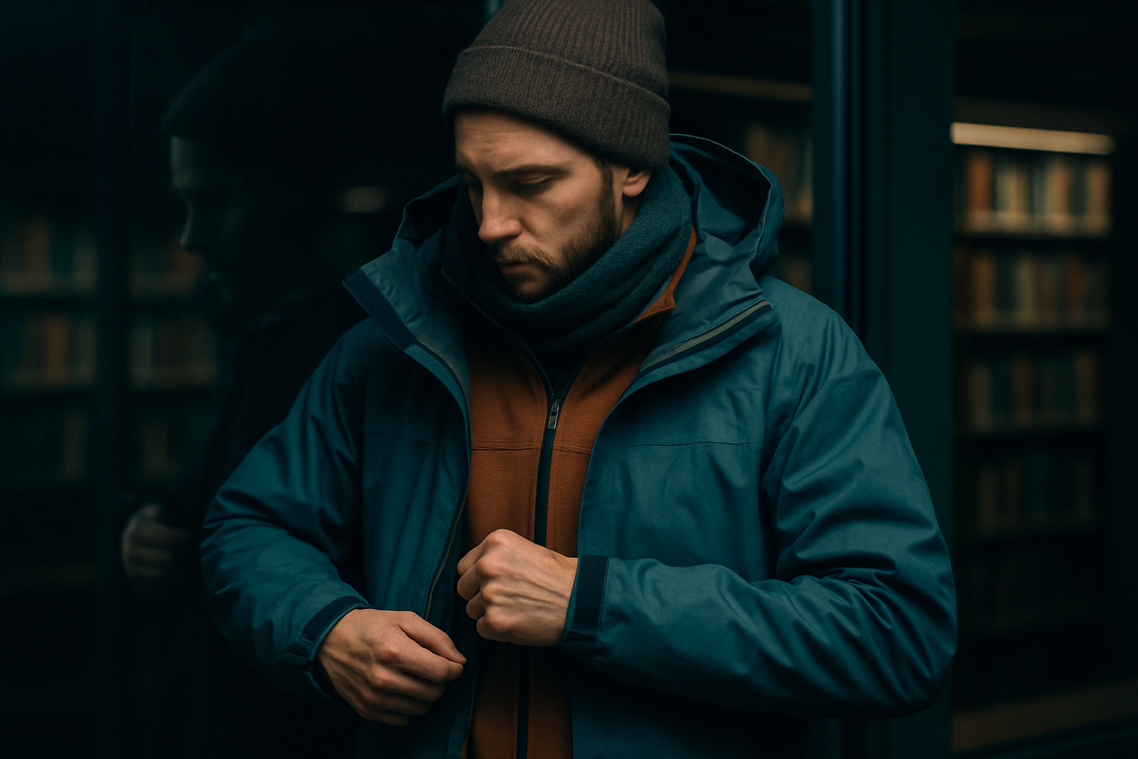
If the base layer manages moisture, the mid layer manages warmth. Its sole job is simple but critical: trap the air your body heats and hold it close. Think of it as your personal thermostat in an outdoor layering system guide—dial it up or down depending on conditions.
Why it matters: the right mid layer keeps you comfortable without overheating, which means more energy, better focus, and fewer “why am I freezing?” moments halfway up the trail.
Fleece (Polyester)
The dependable workhorse. Fleece is breathable, dries quickly, and continues to insulate even when damp. That makes it ideal for high-output activities like hiking steep terrain or chopping firewood (aka nature’s CrossFit). It’s not the warmest option per ounce, but it’s versatile and low-maintenance.
Down Insulation
Down offers the best warmth-to-weight ratio available (Outdoor Industry Association). It compresses easily, making it perfect for backpacking. The benefit? Maximum warmth with minimal bulk. The drawback: once wet, it clumps and loses insulating power. Great for cold, dry conditions—not so great for surprise rain.
Synthetic Insulation (PrimaLoft, etc.)
Designed to mimic down, synthetic insulation retains warmth when wet (REI Co-op Expert Advice). It’s slightly heavier and less compressible but far more reliable in mixed weather. If forecasts are unpredictable, this is your safety net.
Pro tip: Match your mid layer to your activity level, not just the temperature.
Planning something low-key? Your layering system still matters—even during a backyard camping setup guide for families adventure.
The Outer Shell: Your Shield Against the Elements
I once hiked into a sudden alpine storm wearing what I thought was a solid outer layer. It wasn’t. By mile three, wind cut through the fabric, rain seeped into the seams, and I learned the hard way that “water-resistant” isn’t “waterproof.”
The outer shell’s primary role is simple: block wind and precipitation while letting sweat vapor escape. In the outdoor layering system guide, it’s your armor. A hard shell (fully waterproof and windproof) uses laminated membranes to seal out rain. A soft shell trades total protection for stretch and breathability—great for dry, high-output days.
My mistake? Ignoring features. Now I always check for taped seams (sealed stitching that prevents leaks), adjustable hoods, and pit zips for fast ventilation. If the seams aren’t sealed, it’s not truly waterproof.
Some argue soft shells are “good enough.” Sometimes, yes. But when weather turns cinematic—think The Revenant levels of misery—you’ll wish you carried the real shield.
Pro tip: test zippers with gloves on before buying.
Putting It All Together for Your Next Adventure
You now have what you need to build a flexible system that adapts to shifting forecasts and effort levels. The goal is simple: avoid the misery of hiking cold and damp—or overheating like you’re in a survival reality show (no one wins that episode).
Follow one core rule: be bold, start cold. Begin slightly chilled so your movement warms you naturally. Add or remove layers before you sweat or shiver. That’s the secret most beginners miss.
Before your next trip, lay out all three layers. Walk through your plan using an outdoor layering system guide. Practice now; comfort later.
Master Your Layers, Master the Outdoors
You came here looking for clarity on how to layer properly for any outdoor condition—and now you have a practical, field-ready understanding of how to stay warm, dry, and adaptable no matter what the trail throws at you.
The biggest mistake outdoor enthusiasts make is underestimating how quickly weather shifts can turn discomfort into danger. Poor layering leads to sweat buildup, rapid heat loss, and unnecessary risk. When your system fails, your entire adventure suffers.
That’s why following a proven outdoor layering system guide isn’t just helpful—it’s essential. The right base, insulating, and shell layers work together to regulate temperature, manage moisture, and protect you from the elements so you can focus on the experience, not survival.
Now it’s time to act. Review your current gear setup, identify weak points, and upgrade strategically. Don’t wait until you’re caught in cold rain or biting wind to realize something’s missing.
Explore our expert gear comparisons and wilderness-tested layering strategies today. Thousands of outdoor enthusiasts rely on our insights to stay prepared and protected—start building your optimized layering system now and step outside with total confidence.