
Getting started in the outdoors can feel overwhelming. Whether you’re planning weekend hikes, upgrading your camp setup, or transitioning to backpacking trips, the amount of advice and gear options out there can quickly blur together. You’re likely searching for clear, practical guidance you can actually rely on—not recycled tips or vague recommendations.
This article is designed to cut through the noise. We break down essential outdoor living basics, compare gear based on real-world performance, and highlight smart strategies that make your adventures safer and more rewarding. Every recommendation is grounded in hands-on testing, field research, and proven wilderness principles—not marketing hype.
By the end, you’ll have a clearer understanding of what you truly need, what you can skip, and how to move forward with confidence. Whether you’re refining your setup or preparing for your next big trail experience, you’ll find actionable insights tailored to your goals.
Your First Step into a Bigger World: Why Backpacking Changes Everything
From Day Hikes to Overnight Confidence
At first, backpacking sounds complicated. Terms like base weight (your pack’s weight without food or water) and leave no trace (guidelines for minimizing environmental impact) can feel overwhelming. However, transitioning to backpacking trips is simply about adding preparation, not mystery.
Here’s a quick breakdown:
| Item | Why It Matters |
|---|---|
| Shelter | Protection from weather |
| Sleep system | Warmth and recovery |
| Water filter | Safe hydration |
In other words, you’re not packing “everything”—just essentials. Start small, test gear locally, and build confidence step by step.
The Freedom Philosophy: More Than Just a Walk in the Woods
Backpacking isn’t tourism; it’s participation. Instead of observing a landscape from behind a camera, you move through it, adapt to it, and sometimes get humbled by it (usually right after saying, “This trail looks easy”). This shift—from spectator to participant—changes how you see the world.
First, consider the mental reset. Studies show time in nature reduces stress and improves mood (American Psychological Association). By disconnecting from constant notifications, you reconnect with your own thoughts. If you’re transitioning to backpacking trips, start with one weekend offline. Notice what surfaces when the noise fades.
Next, build self-reliance. Backpacking develops practical competence—meaning the confidence that comes from solving real problems with limited resources.
Start here:
- Choose a beginner-friendly trail and plan your own route
- Pack only essentials (minimalism teaches clarity fast)
- Learn one core skill: navigation, water filtration, or fire safety
Pro tip: Deliberately leave one comfort behind. Growth lives just past convenience.
Your Core Survival System: A Heuristic Guide to the “Big Three”
When people obsess over gadgets, they miss the truth: your comfort on the trail hinges on the Big Three—your backpack, shelter, and sleep system. These items carry the most weight (literally) and shape how you feel after mile five.
Choosing Your Backpack
Backpacks come in two main frame styles:
- Internal frame: Support bars are built inside the pack. They’re streamlined and better for uneven terrain.
- External frame: A visible metal frame sits outside the pack. They carry heavy loads well but feel bulky.
For 1–3 night trips, most hikers need 40–60 liters of capacity. A liter measures volume, not weight. Bigger isn’t better—extra space tempts overpacking (we’ve all done it).
Fit matters more than features. Hip belts should rest on your hips, not your waist. Shoulder straps should hug, not pinch. Pro tip: get fitted while wearing the clothes you’ll hike in.
Selecting a Shelter
Beginners usually choose among:
- Tents: Fully enclosed, best weather protection.
- Tarps: Lightweight covers requiring skill to pitch.
- Hammocks: Suspended systems needing sturdy trees.
If ease and rain protection are priorities, tents win. Tarps are minimalist but demand practice. Hammocks shine in wooded areas but struggle above tree line.
The Sleep System Explained
A sleep system combines a sleeping bag and a sleeping pad. The bag insulates your body; the pad insulates you from the cold ground.
- Down insulation: Lightweight, compressible, less effective when wet.
- Synthetic insulation: Heavier, but retains warmth when damp.
Sleeping pads use an R-value, which measures thermal resistance. Higher R-values mean more insulation. Foam pads are durable; inflatable pads offer comfort.
Understanding these basics simplifies transitioning to backpacking trips and keeps your focus where it belongs—rest, shelter, and the miles ahead.
From Backyard to Backcountry: Planning Your Inaugural Trip
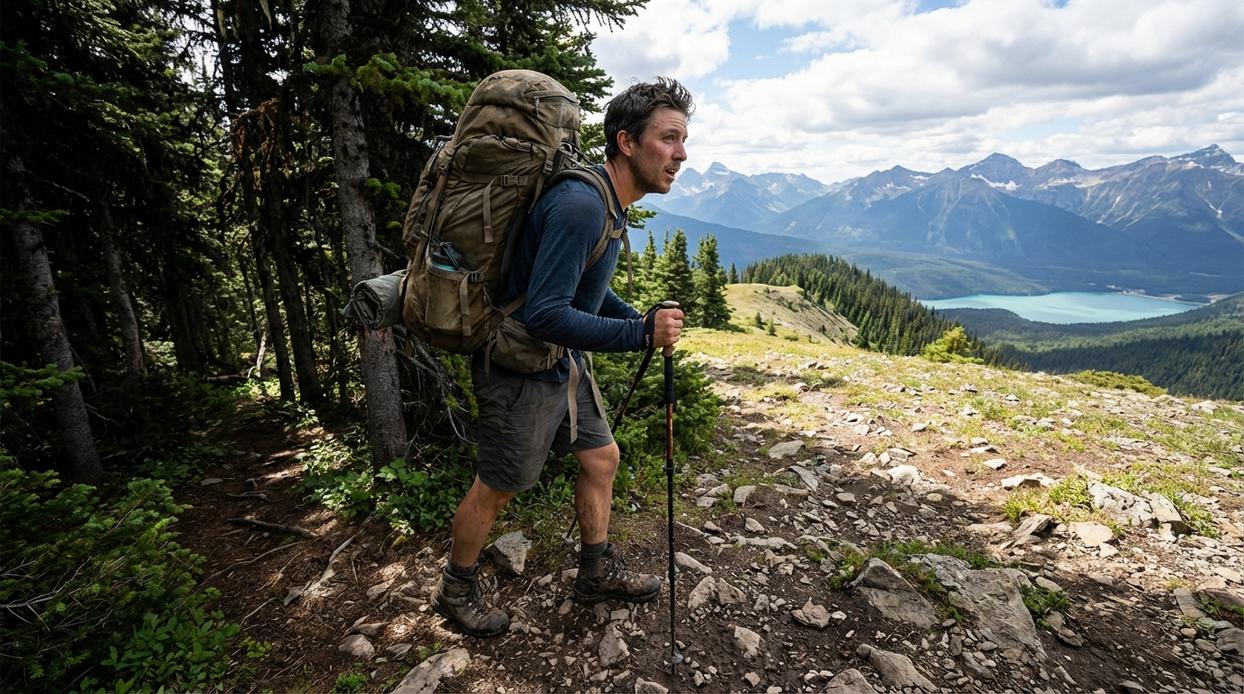
Start small and win big. For your first outing, choose a well-marked, popular trail with a designated campsite. That simply means the path is clearly signed and the camping area is officially approved, reducing guesswork. Aim for five to seven miles per day; it’s enough to feel adventurous without turning day one into a survival movie.
Outdoor living basics sound complicated, but they’re straightforward. First, water. “Filtering” means removing bacteria and protozoa from natural sources using a pump, squeeze, or gravity filter. The CDC notes untreated stream water can carry Giardia, so never skip this step. Next, keep meals simple: dehydrated dinners only require boiling water. Finally, follow Leave No Trace, a set of seven principles that minimize environmental impact, like packing out trash.
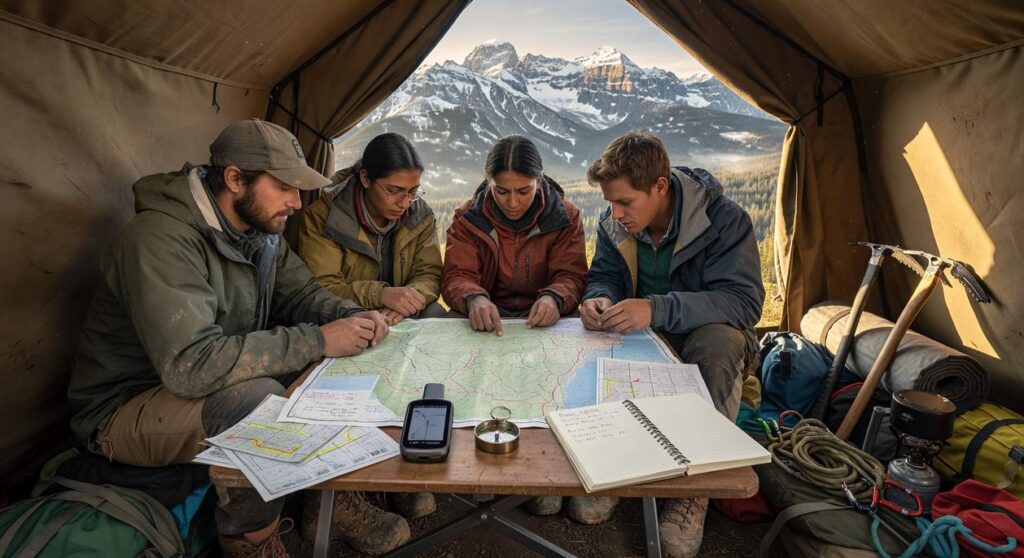
Navigation essentials matter, especially when transitioning to backpacking trips. A topographic map shows elevation changes through contour lines—tight lines mean steep terrain. Pair it with a compass; GPS batteries die (they always do). If you’re unsure where to begin, read how to plan a multi day trek from start to finish for a step-by-step breakdown. Clarity, not bravado, builds confidence outdoors. Preparation turns uncertainty into manageable adventure confidently.
Wilderness Hacks for a Safer, Smarter Adventure
Nothing ruins a trip faster than problems you could’ve prevented. Blisters, aching shoulders, dehydration headaches—they’re predictable, yet they still catch people off guard (and yes, it’s as frustrating as it sounds).
Start with your feet. Blisters—fluid-filled pockets caused by friction—form when boots don’t fit or socks stay damp. Wear moisture-wicking socks and break in boots before long hikes. Pro tip: tape “hot spots” (areas that feel irritated) before they turn painful.
Pack weight is another common pain point. A heavy pack strains your back and knees, especially if weight isn’t centered close to your spine. Aim to keep total load under 20–25% of your body weight, according to the American Hiking Society. Adjust shoulder straps and hip belts so your hips—not your shoulders—carry most of it.
Hydration sounds simple, yet so many hikers underestimate it. Dehydration reduces endurance and focus (CDC notes even mild dehydration impacts performance). Sip consistently; don’t wait until you’re thirsty.
Wildlife etiquette matters too. Store food in bear canisters or hang bear bags at least 200 feet from camp. Respect distance—this isn’t a nature documentary cameo.
Your minimalist first-aid kit? Blister pads, antiseptic wipes, gauze, elastic wrap, tweezers, and antihistamine tablets.
transitioning to backpacking trips in the section once exactly as it is given
Smart prep beats trail regret every time.
The Trail Awaits: Your Adventure Begins Now
Remember when gear lists felt overwhelming? Now you have a clear, basics-first framework. That’s progress. The confusion is gone, replaced by simple next steps.
So here’s the real question: what’s stopping you from lacing up your boots this weekend? Fear of not knowing enough? (No one ever does at first.)
Start small:
- Research a nearby state park trail
- Borrow one essential item
- Set a date
This is how transitioning to backpacking trips begins—one manageable outing at a time. Safe. Practical. Repeatable.
Have you noticed how action dissolves doubt? Take one concrete step today, and let momentum handle the rest.
Ready for Your Next Adventure
You set out to learn how to elevate your outdoor experiences with smarter preparation, better gear choices, and practical wilderness skills—and now you have a clear path forward. From understanding essential outdoor living basics to comparing reliable adventure gear and applying survival hacks that actually work, you’re better equipped to step outside with confidence.
But knowing isn’t enough. The real transformation happens when you put these insights into action—especially when transitioning to backpacking trips where preparation, endurance, and smart packing make or break the experience.
Don’t let uncertainty about gear, trail choices, or survival skills hold you back from the wild places calling your name. The right knowledge eliminates costly mistakes, reduces risk, and turns overwhelming planning into confident action.
If you’re ready to explore smarter and adventure farther, dive deeper into our expert gear comparisons, trail discoveries, and field-tested survival strategies. Join the thousands of outdoor enthusiasts who rely on our trusted guidance to plan safer, more rewarding trips.
Your next adventure starts with one step—explore more resources now and get trail-ready today.