Choosing the right backpack size can feel overwhelming. Too small, and you’re forced to leave essential gear behind. Too large, and you’re carrying unnecessary weight that slows you down on the trail. If you’re searching for a clear, practical backpack capacity guide, you’re in the right place.
This article is designed to match exactly what you need: straightforward explanations of backpack sizes, how capacity is measured, and how to match liters to trip length, terrain, and packing style. Whether you’re planning a quick overnight hike or a multi-day backcountry adventure, understanding capacity is key to comfort, balance, and safety.
To ensure accuracy, we’ve analyzed manufacturer specifications, real-world field testing data, and seasoned outdoor best practices. The goal is simple—help you confidently choose a pack that fits your gear, your body, and your adventure style without guesswork.
By the end, you’ll know exactly what size backpack makes sense for your next trip—and why.
Choosing the right backpack size shouldn’t feel like rolling dice. This practical, heuristic-based method cuts through the noise and gives you a clear framework for matching liters to trip length and gear type. Instead of second-guessing, you’ll understand why a 20L works for day hikes and when a 50L becomes essential. As a result, you avoid overpacking bulk or underpacking stress. Think of it as your personal backpack capacity guide—simple, repeatable, and field-tested. Ultimately, you save money, hike more comfortably, and hit the trail confident your pack fits your adventure perfectly. Every trip starts lighter and ends with fewer regrets.
Decoding the Numbers: What Do Backpack Liters Actually Mean?
A liter, in backpack terms, is simply a unit of volume—the space inside the pack. One liter equals a 10x10x10 centimeter cube. Think of stacking tiny boxes until your bag is full (yes, like real-life Tetris).
To make it tangible:
- A 20L pack feels like a standard school backpack.
- A 40L pack matches most airline carry-ons.
- A 65L pack is the big-haul, weeklong trekking beast.
Brands use liters because it’s a universal yardstick. Whether you’re browsing a backpack capacity guide or comparing two different designs, liters tell you how much gear fits—regardless of pockets or shape.
Here’s the catch. Capacity usually includes enclosed compartments—main body, lid, zippered sections—but often excludes stretchy exterior mesh pockets.
Personally, I think fit matters more than raw liters. A poorly designed 50L can feel smaller than a smart 40L (and twice as annoying).
Your Adventure Blueprint: Matching Pack Size to Trip Duration
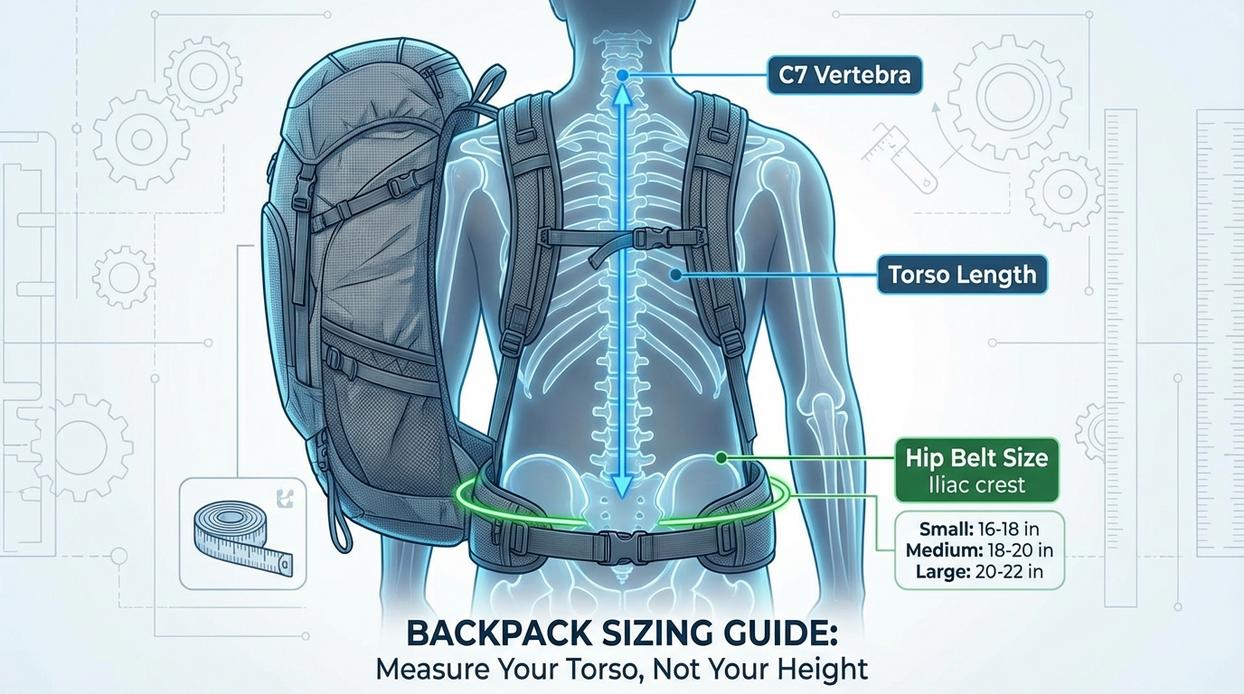
Choosing the right backpack isn’t just about comfort—it’s about efficiency, safety, and actually enjoying your trip (instead of wrestling with straps all day). Think of pack size as your adventure container: too small and you’ll play gear Tetris at the trailhead; too big and you’ll carry things you never use. Below is a practical backpack capacity guide to help you match liters to lifestyle.
Day Hikes & Summit Packs (10–25 Liters)
For short outings lasting 2–8 hours, smaller packs keep you nimble and focused. These are often called summit packs—compact backpacks designed for fast, lightweight missions to a peak or viewpoint.
What fits:
- Water reservoir or bottles
- Lightweight rain jacket
- Snacks or lunch
- Basic first-aid kit
- Navigation tools (map, compass, GPS)
Because you’re carrying only essentials, weight distribution matters less than simplicity. However, some hikers argue that going ultralight on day hikes is unnecessary—”It’s just a few hours,” they say. Fair point. Still, weather shifts fast in the mountains (the National Park Service consistently advises carrying the 10 Essentials, even on short hikes), so minimal shouldn’t mean careless.
In short, this size is ideal if you want to move fast and light without sacrificing safety.
Overnight Trips (25–40 Liters)
Stepping into 24-hour adventures requires more strategy. These packs suit hut-to-hut treks or minimalist overnighters.
What fits:
- All day-hike essentials
- Compact sleeping bag
- Bivy sack or ultralight tent
- Small cook system
Here’s where discipline counts. You’ll need low-bulk gear and a thoughtful layering system. If you’re unsure how to choose insulation, review this guide on sleeping bag temperature ratings explained to avoid packing something too warm—or dangerously light.
Some backpackers argue 25–40 liters feels cramped. That’s true if you prefer comfort items (yes, camp chairs are delightful). However, streamlined packing reduces fatigue and increases mileage potential. There’s a quiet joy in carrying only what you truly need.
Weekend & Long Weekend Trips (40–60 Liters)
This range is often considered the sweet spot for 2–3 night trips.
What fits:
- Standard overnight gear
- Extra food
- Additional clothing layers
- A few comfort upgrades
For many beginners, this is the most forgiving size. You have room for mistakes—like an extra fleece or bulkier tent—without overloading your frame. Critics might say larger packs tempt overpacking. That’s valid. But with mindful planning, this size balances preparedness and practicality.
If you’re new to backpacking, starting here gives flexibility as you refine your system.
Multi-Day & Expedition Packs (60+ Liters)
Finally, extended trips (4+ nights), winter adventures, or family outings call for serious capacity.
What fits:
- Weekend gear
- Significant food supplies
- Robust shelter
- Bear canister or winter equipment
Cold weather alone can increase gear volume by 30–50% due to bulkier insulation (Outdoor Industry Association data highlights seasonal gear weight increases). Larger packs are essential for self-supported journeys, but they demand proper fit and load management.
Ultimately, the best pack size aligns with trip length, season, and your packing habits. When in doubt, size for your longest realistic trip—not your shortest. After all, the right pack should support your adventure, not complicate it.
Beyond Duration: Heuristics That Change Your Capacity Needs
Most people think trip length determines pack size. I disagree. Context changes everything. A three-day winter trip can demand far more volume than a week in July.
-
The Seasonality Factor
Winter gear is bulky by design. Puffy jackets, insulated pants, thicker sleeping pads, and cold-rated bags can add 10–15 liters compared to summer setups (and that’s before you toss in microspikes). Warm air is compressible; trapped insulation isn’t. In my experience, anyone using a backpack capacity guide without adjusting for season ends up strapping gear awkwardly to the outside. -
Ultralight vs. Traditional
An ultralight hiker with a tarp and quilt might thrive in 40L. A traditional setup—freestanding tent, synthetic sleeping bag, full cook kit—can push 60L fast. Neither is “right.” But bulk is physics, not philosophy. -
Luxury vs. Efficiency
Camp chair? Hardcover book? Oversized pot? I’m pro-comfort (morale matters), but every indulgence is a conscious trade-off in liters. -
Activity-Specific Needs
Climbing ropes, helmets, or packrafts demand dedicated space. Specialized gear doesn’t magically compress (if only).
Capacity isn’t about days. It’s about decisions.
By now, you’ve moved from guesswork to clarity. The final step is simple: test your decision in the real world—at home.
Step 1: Lay out your gear. Include shelter, sleep system, layers, food, and water.
Step 2: Pack for your longest typical trip. Use your backpack capacity guide to confirm volume.
• Check weight distribution (heavier items close to your spine).
• Walk around for 10–15 minutes.
• Adjust straps until the load feels stable.
If it feels cramped, size up. If it’s half empty, reconsider. Choose the pack that fits your adventures—not your aspirations. Comfort today prevents regret tomorrow.
Choose the Right Pack and Hit the Trail With Confidence
You came here looking for clarity on how to choose the right pack size—and now you know exactly how capacity impacts comfort, efficiency, and performance on the trail. No more second-guessing liters, overpacking, or struggling with a bag that works against you instead of for you.
The right fit isn’t just about storage. It’s about reducing strain, staying organized, and moving confidently through every mile. When your pack matches your trip length, gear load, and body type, everything feels lighter—even the toughest climbs.
If you’re still unsure which size is right for your next adventure, don’t leave it to chance. Use our backpack capacity guide to match your trip style with the perfect volume and eliminate costly mistakes. Thousands of outdoor enthusiasts rely on our trusted gear insights to make smarter buying decisions.
Check the guide now, dial in your pack size, and step onto the trail fully prepared—because the right capacity changes everything.