
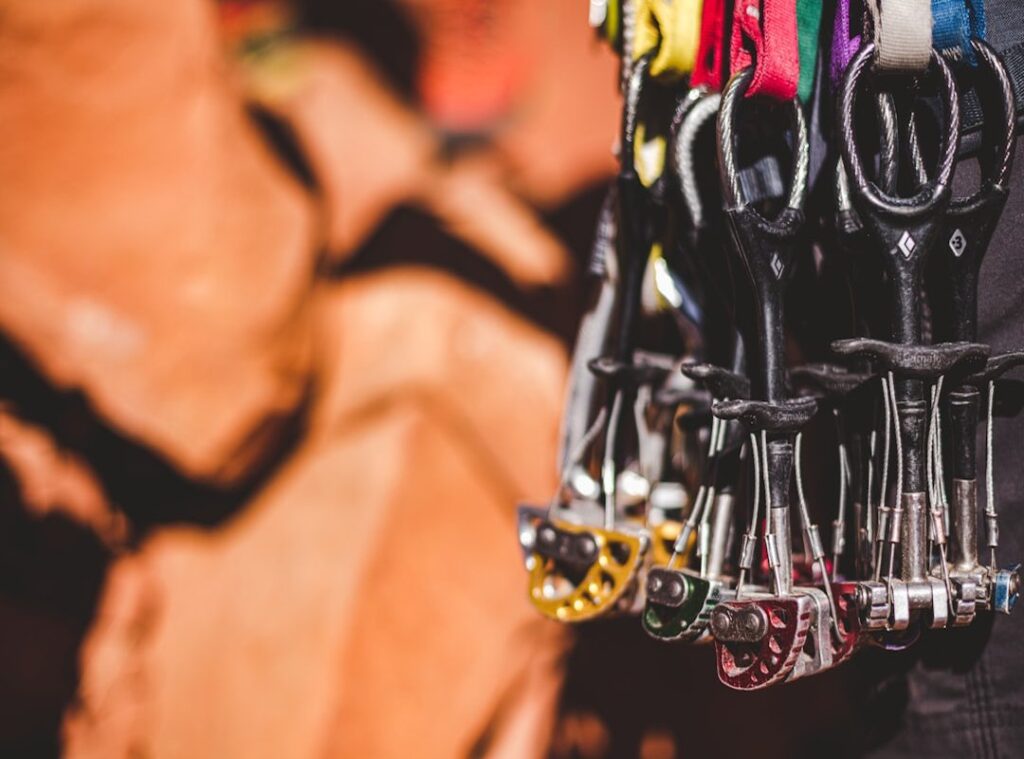
Navigating the world of buying climbing gear can feel overwhelming. I get it. There are so many options out there, and each one promises to be the key to your next great adventure.
But how do you know what’s right for you? It’s easy to get lost in the jargon and forget what really matters: safety and functionality.
Have you ever stood in a store, staring at rows of shiny carabiners and wondered which one won’t break the bank but will save your life? You’re not alone. Many climbers, both new and seasoned, face this dilemma.
However, understanding the basics can make all the difference.
This article is here to cut through the noise. We’ll break down the essentials, so you don’t waste money on gear you don’t need. We’ll share takeaways from real climbers and experts.
By the end, you’ll be equipped (pun intended) to make informed choices. Ready to take your climbing game to the next level? Let’s get started.
The Core Four: Climbing Essentials You Can’t Skip
When it comes to buying climbing gear, there’s no room for error. You need the right stuff from the get-go. Let’s start with the use.
Comfort and fit are non-negotiable. Seriously, spend time in the shop trying on different styles. Hang in them if you can.
Feel awkward? Yeah, but it’s worth it. A versatile beginner use often comes with adjustable leg loops.
Specialized ones? They’re more for when you’ve climbed a bit and know what you like.
Next up, climbing shoes. Fit is king here. Forget those aggressive shoes you see pros wearing.
They look cool but will leave your feet aching. Start with a comfy, neutral pair. You’ll build better footwork without crying in pain after every session.
Neutral shoes offer a flat sole, making them perfect for beginners. Moderate and aggressive shoes have more of a curve and are better left for advanced routes.
Now, let’s talk about the belay device and locking carabiner. Your best bet is a tube-style device, like an ATC. It’s straightforward and lets you master the fundamentals.
Pair it with a specific HMS-style locking carabiner. It’s more than just a hook (it’s) your lifeline. An assisted braking device, like a GriGri, is great but start simple.
Once you’ve nailed the basics, you can level up.
Don’t forget your chalk bag and chalk. It’s cheap but important. Keeping your grip strong is key to climbing confidence.
Loose chalk, a chalk ball, or liquid chalk are all options. Most opt for a bag with loose chalk or a ball. Liquid chalk?
It’s less messy but not as common.
Ready to climb? Make sure you’re geared up right. And if you ever find yourself choosing between kayaks vs canoes, here’s a choosing between kayaks vs canoes guide that might help you out in a different adventure.
Beyond the Gym: Gearing Up for Your First Outdoor Climbs
Stepping out of the gym and into the wild is a whole new game. No more comfy padded floors. It’s you, the rock, and gravity.
So, what’s the first thing you need? A helmet. Seriously, don’t skip this.
It protects you from falls and debris. There are two types: hardshell and foam. Hardshell is durable, but heavier.
Foam is lightweight, but less strong. Make your choice, but don’t leave home without it.
Next up, the rope. Your first big purchase. Go for a changing rope.
Trust me, you’ll want the stretch in case you take a fall. Aim for a 60m length. It’s versatile and covers most routes.
Diameter? Stick between 9.8-10.2mm for durability. And consider a dry-treated rope.
It lasts longer when facing the elements.
Then there’s the Personal Anchor System (PAS). Its job? Keeping you secured to an anchor.
When you’re cleaning a route, you’ll see why it’s key. You can go with a dedicated PAS device or use a dyneema or nylon sling with locking carabiners. The PAS device is idiot-proof but pricier.
Slings are cheaper, but require a bit more know-how. Choose what suits your comfort level.
What about quickdraws? Not yet. As a beginner, you’ll follow routes first.
But know this: when you’re ready to lead climb, buy a pack of 10-12. They’re important for clipping into bolts on sport routes.
It’s a lifesaver for first-timers.
Buying climbing gear can be overwhelming. Want some help? Check out this breakdown.
Ready to hit the crags? Gear up, head out, and climb safe. It’s a whole new world out there, and you’re going to love it.
Buy Smart, Climb More: Gear Without Overspending
When it comes to buying climbing gear, it’s easy to get overwhelmed by the sheer number of options. Let me tell you, Rule #1 is key: never buy used “soft goods.” What’s that, you ask? Ropes, harnesses, slings.

These things can hide a multitude of sins (falls, UV exposure, chemical contact). You just can’t know their history. Used “hard goods” like carabiners or cams might be okay, but only if you’re an expert.
Otherwise, you’re playing a dangerous game.
Now, here’s a pro tip: look for beginner packages. Retailers often bundle a use, shoes, belay device, and chalk bag at a discount. It’s the best value for new climbers.
Why pay more when you don’t have to? These packs are like the starter Pokémon of climbing gear. You get everything you need without breaking the bank.
Timing is everything. Shop off-season and during holiday sales. Gear goes on sale at the end of fall and spring.
Sign up for email lists from major outdoor retailers. They’ll tell you when the sales hit. You could save a ton of cash this way.
Invest where it matters most. Spend more on items like harnesses, shoes, helmets, and ropes. These are your lifelines.
Save on less key stuff like chalk bags or clothing. Remember, it’s all about balance.
If you’re also into hiking, check out comparing best hiking boots 2023. That might help you gear up for the trails too. Happy climbing!
Where to Buy: Navigating Local Shops vs. Online Giants
When buying climbing gear, the choice between local shops and online retailers can be a real headache. Local shops have this charm. You get expert advice, and you can actually try on the gear.
Imagine buying climbing shoes without trying them on first (it’s) a gamble, right? Plus, supporting local businesses feels good (almost like a small victory for the community).
But let’s be honest, local shops can be pricey. And their selection? Sometimes limited. online giants come in.
They’ve got everything under the sun. Prices are often lower, and user reviews can be a lifesaver when you’re unsure about a product. But not trying stuff on?
That’s risky, especially with gear that needs to fit just right.
So, what’s the best plan? I say mix it up. Head to your local shop, get fitted, and soak up their expertise.
If the price is reasonable, buy there. But if you find the exact item online for a steal, grab it. It’s a no-lose plan.
This way, you support local when you can and save money when it makes sense. Isn’t that what we all want?
Gear Up and Climb On
Feeling lost in the maze of buying climbing gear? I get it. But now, you have a solid plan.
You can tackle this like a pro (no) more guessing games. This approach puts safety at the forefront, zeros in on essentials, and makes your dollars stretch further.
Trust yourself. You’ve got the knowledge. So, what’s next?
Head to your local shop, try on those shoes, or dive into some gear reviews. You’re ready to make smart choices.
Stop hesitating. Start your adventure today. Gear up with confidence and take that first leap.
It’s time to climb higher.