If you’re searching for the most breathtaking coastal cliffside walking paths and how to experience them safely and confidently, you’re in the right place. These routes offer dramatic ocean views, invigorating sea air, and unforgettable terrain—but they also demand preparation, awareness, and the right gear.
In this guide, we break down what makes these trails unique, what to expect from varying elevations and weather conditions, and how to plan a walk that’s both inspiring and secure. Whether you’re a casual weekend explorer or a seasoned trekker looking for your next horizon, this article is designed to help you make informed decisions before you set out.
To ensure accuracy and practical value, we’ve drawn on insights from experienced trail guides, outdoor safety specialists, and real-world hiking data. The goal is simple: give you clear, reliable information so you can focus less on uncertainty—and more on the view ahead.
There’s something universal about standing on a cliff, wind in your face, the sea stretching endlessly below. That mix of thrill and calm is exactly why coastal cliffside walking paths draw us back.
This guide highlights the world’s most breathtaking and accessible routes, with practical tips for safety and timing. Choose well-marked trails, check tide charts, and wear grippy shoes (slick rock is no joke).
I recommend starting with moderate, maintained paths near coastal towns for amenities, then graduating to wilder stretches once confident. Expect invigorating climbs, raw nature, and views that rival any postcard (yes, even the movie-worthy ones).
Safety First on the Trail’s Edge
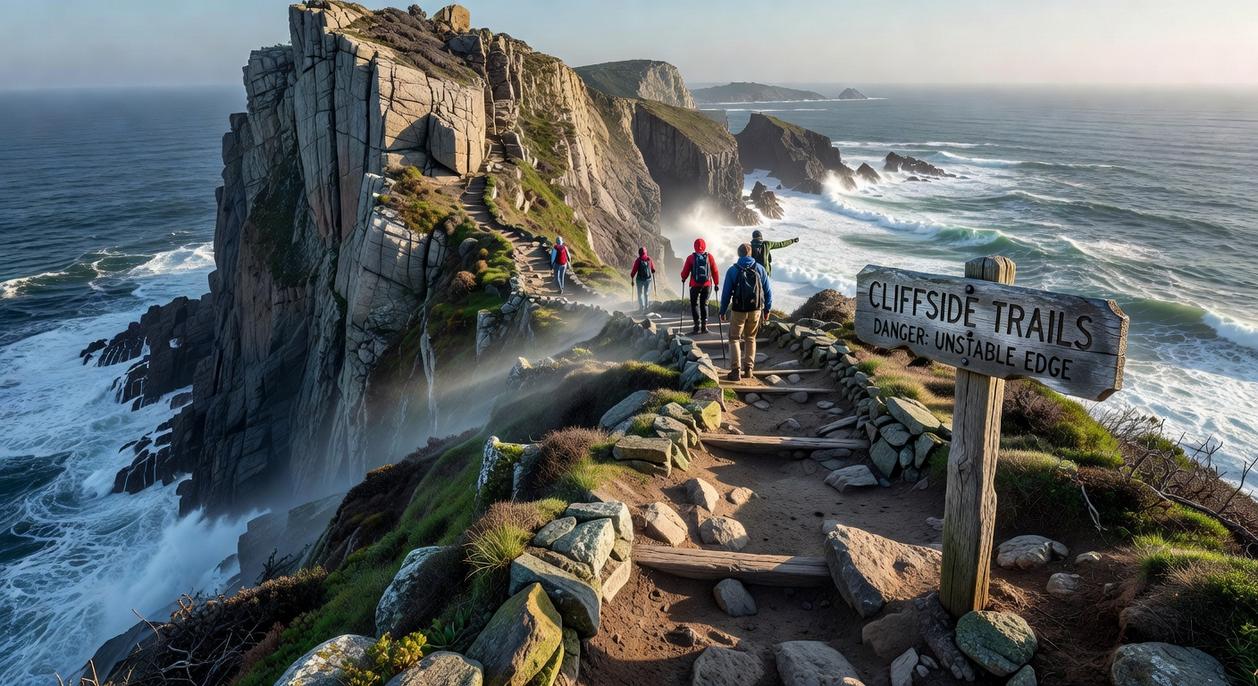
Cliffside hikes offer breathtaking views—but they also demand respect. Stay on marked paths and keep a safe distance from unstable edges. Coastal erosion (the gradual wearing away of rock by wind and waves) can make ground look solid when it’s anything but. One wrong step isn’t dramatic in the movies—it’s dangerous in real life.
Before heading out on coastal cliffside walking paths, check tide charts and weather forecasts. Rising tides can cut off exit routes, and high winds can destabilize your footing. If you’re wondering what’s next after planning your route, think logistics. Let someone know where you’re going and your estimated return time. It’s a simple backup plan that search and rescue teams rely on (and yes, they’d rather not have to).
Gearing Up for Coastal Conditions
Conditions shift quickly along exposed cliffs. Dress and pack accordingly:
- Sturdy footwear with strong grip for uneven terrain
- Layered clothing to handle wind and temperature swings
- Water and energy-rich snacks
- A map (digital and physical backup)
- Fully charged phone
- Sun protection
Pro tip: Download offline maps in case service drops. Next, consider your turnaround time—will daylight last for the full return hike?
American Classics: California’s Big Sur Coastline
Big Sur isn’t just a stretch of Highway 1—it’s a living postcard where mountains collide with the Pacific in a slow-motion spectacle. This iconic California region has become a premier destination for coastal cliffside walking paths, drawing everyone from casual sightseers to seasoned trekkers. Some critics argue it’s “too popular” or “over-photographed.” Fair. On summer weekends, it can feel like a scenic traffic jam. But popularity doesn’t cancel grandeur (just ask the Grand Canyon).
Trail Spotlight 1: McWay Falls Overlook Trail (Julia Pfeiffer Burns State Park)
If instant gratification had a trail, this would be it. The McWay Falls Overlook Trail is short—less than a mile round trip—and mostly flat, making it accessible for nearly all skill levels. The payoff? An 80-foot waterfall cascading directly onto a pristine beach, one of the few tidefalls in the continental U.S. (National Park Service). It’s the kind of view that makes your phone storage nervously sweat.
Speculation: As climate patterns shift, experts predict California’s seasonal waterfalls may see fluctuating flow rates in coming decades (U.S. Geological Survey), which could make sights like McWay even more precious.
Trail Spotlight 2: Partington Cove Trail
For those craving a bit more adventure, Partington Cove delivers. The descent is steeper, winding through a wooded canyon before leading to a historic tunnel carved in the early 1900s. Emerging at the rocky cove feels cinematic—like stepping into a scene from The Goonies, minus the pirates. From sea level, the cliffs tower dramatically above, offering a humbling new perspective.
Pro tip: Wear sturdy shoes—the climb back up is no joke.
European Majesty: Dramatic Vistas from Ireland to Italy
Europe’s ancient, wind-carved edges offer some of the most unforgettable hiking experiences on earth. If you’re craving raw Atlantic drama or Mediterranean grandeur, these two trails deliver—provided you plan wisely.
Trail Spotlight 1: The Cliffs of Moher Coastal Walk (Ireland)
Rising over 700 feet above the Atlantic, the Cliffs of Moher feel almost cinematic (yes, Harry Potter fans will recognize the vibe). The well-maintained path stretches roughly 18 kilometers from Doolin to Liscannor, but most day hikers focus on the section between Doolin and the Visitor Centre.
Practical tips:
- Start in Doolin for fewer crowds and dramatic southward views.
- Wear windproof layers; gusts can exceed 50 mph (Met Éireann data).
- Bring binoculars for puffins, razorbills, and kittiwakes nesting along the cliffs.
The terrain is moderate but exposed. Stay centered on marked coastal cliffside walking paths—erosion is real, and safety barriers aren’t everywhere. Pro tip: Arrive before 9 a.m. for golden light and quieter trails.
Trail Spotlight 2: Path of the Gods / Sentiero degli Dei (Italy)
Connecting Agerola to Nocelle, this “Path of the Gods” lives up to its name. Suspended high above the Tyrrhenian Sea, the route reveals terraced villages and shimmering water below.
Expect a moderate 7-kilometer hike with uneven stone steps. Wear sturdy footwear and carry at least 1.5 liters of water, especially in summer.
For a smooth experience:
- Take a morning bus to Agerola.
- Hike downhill toward Nocelle.
- Reward yourself with fresh lemon granita in Positano.
It’s not just scenery—it’s culture underfoot, where shepherd huts and ancient mule tracks remind you that history here isn’t behind glass. It’s beneath your boots.
For more route breakdowns, explore Heuristic Trail Discoveries.
Coastal photography rewards patience and preparation. First, plan your shoot during the Golden Hours—sunrise and sunset—when low-angle light creates softer shadows and warmer tones (think nature’s built-in Instagram filter). Next, mount a wide-angle lens to capture the sweeping scale of cliffs and sea; step close to foreground rocks to add depth.
As you explore coastal cliffside walking paths, stabilize your camera with a tripod and lower your ISO for cleaner images. Pro tip: bracket exposures to balance bright skies and darker foregrounds. Finally, prioritize safety—no photo is worth a risky edge or sudden wave. Check tides before setting up carefully.
Your Next Horizon Is Waiting
Last spring, I remember rounding a bend above the sea, wind tugging at my jacket, and feeling the noise of everyday life fall away. That’s the promise of coastal cliffside walking paths: equal parts adventure and tranquility. With the right preparation—sturdy boots, layered gear, a weather check—you’re not just dreaming, you’re ready. Meanwhile, a little inspiration goes a long way; choose a trail that challenges and restores you. So go ahead, map it out, pack smart, and step toward the edge where land meets sea. The horizon is closer than you think. Take the next step today. Start now. Explore.
Keep Exploring with Confidence
You set out to find clearer, more practical guidance for planning unforgettable outdoor experiences—and now you have it. From choosing the right gear to discovering hidden trails and mastering essential survival skills, you’re better prepared to explore with purpose and confidence.
If you’ve ever felt overwhelmed by conflicting advice, untested gear reviews, or uncertainty about where to begin, you’re not alone. Planning an adventure—whether it’s navigating coastal cliffside walking paths or heading deep into backcountry terrain—can feel risky without reliable information. That uncertainty can hold you back from the experiences you’re craving.
You don’t have to guess anymore.
Take the next step by diving deeper into our expert gear comparisons, trail discoveries, and field-tested outdoor strategies. Join thousands of outdoor enthusiasts who rely on our trusted insights to plan smarter, safer, and more rewarding adventures.
Explore more guides now and turn your next outing into your best one yet.