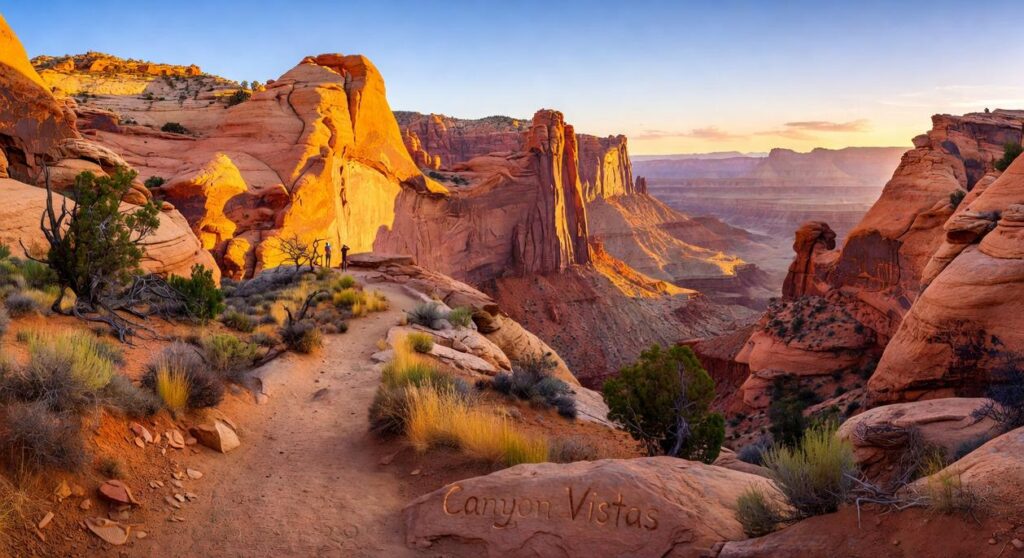
If you’re searching for the most breathtaking desert sunset hiking routes, you’re likely looking for more than just a trail map. You want to know which paths truly deliver glowing horizons, manageable terrain, and an experience worth planning your day around.
This guide is designed to help you find exactly that. We break down what makes a desert sunset hike unforgettable—from elevation and trail direction to seasonal timing and safety considerations—so you can choose a route that matches your skill level and adventure goals.
Our recommendations are built on detailed trail research, firsthand route analysis, and comparisons across popular and lesser-known desert regions. We examine lighting conditions, accessibility, terrain difficulty, and scenic payoff to ensure you’re getting practical, reliable guidance.
By the end of this article, you’ll know which desert trails offer the most dramatic sunset views, how to prepare for shifting desert temperatures, and how to make the most of every golden-minute on the horizon.
Chasing the Desert’s Fiery Glow
I once misjudged a trail and watched the sun sink behind a ridge I hadn’t realized would block the horizon (lesson learned). That’s the thing about desert sunset hiking routes: beauty depends on position. Golden hour—the brief window before sunset when light turns warm and diffused—waits for no one.
So, look for west-facing ridgelines, open mesas, or elevated overlooks without canyon walls. Bring a headlamp (twilight fades fast), layered clothing for sudden temperature drops, and extra water.
Some argue any trail works at dusk. I disagree. In the desert, preparation and placement make the magic happen.
The Anatomy of a Perfect Sunset Trail
A perfect sunset trail isn’t accidental—it’s engineered by landscape and light.
Unobstructed Western Views are NON-NEGOTIABLE. The sun sets in the west (yes, every time), so trails that crest a ridge or end at a west-facing overlook deliver uninterrupted color shows. Many guides mention viewpoints, but few stress horizon depth—the farther you can see, the longer the light lingers.
Elevation Is Your Friend. Even moderate gain lifts you above visual clutter like shrubs or low ridgelines. A 300-foot climb can transform an average walk into a panoramic spectacle.
Dramatic Silhouettes create contrast: saguaro cacti, jagged rock fins, or distant mountain ranges sharpen the sky’s saturated reds and violets (nature’s IMAX, minus the ticket price).
Trail Accessibility & Safety matter more at dusk. Choose well-marked paths common to desert sunset hiking routes and carry a headlamp. Pro tip: hike the last half-mile slowly—your eyes adjust, and colors intensify.
Horizon Headlines: Ridgeback Trails for Panoramic Views
Ridgeback trails are the overachievers of the hiking world. Instead of giving you one scenic payoff at the end, they stretch the drama across the entire walk. These paths follow the spine of a hill or mountain range (the elevated crest line connecting high points), which means you’re treated to continuous, evolving views as the sun begins its slow curtain call.
Take the classic Gateway Saddle Loop. At 3 miles and moderately challenging, it saves the best for last: an exposed ridge walk during the final 45 minutes of daylight. Translation? A 270-degree spectacle where the horizon doesn’t just glow—it performs. Think IMAX, but with fewer sticky floors.
Here’s what makes ridgebacks special:
- You watch the sun dip below the horizon in real time.
- You see the earth shadow (the dark blue band rising in the east as Earth blocks direct sunlight) slowly climb upward.
- You experience color shifts from gold to tangerine to deep violet—nature’s gradient tool at work.
Some hikers argue exposed ridges are too windy or risky near dusk. Fair. Wind can be pushy (like that one friend who insists on taking selfies at cliff edges). But with proper footing and awareness, ridge trails offer unmatched visibility and orientation compared to wooded paths.
Pro tip: Arrive at the highest point at least 30 minutes before official sunset. The pre-show is just as stunning as the finale.
If you enjoy expansive vistas, you might also appreciate forest trails rich in wildlife encounters. And for fans of desert sunset hiking routes, ridgebacks deliver that same cinematic sweep—just bring layers. Even sunsets get chilly.
Heuristic Discoveries: Canyon Overlooks for Framed Vistas

There’s something almost theatrical about a canyon overlook at sunset. The rim acts as a natural proscenium arch (yes, like a stage), framing the vast drop below while the sky steals the show. In my experience, trails that end at overlooks offer the most reliable payoff—especially along desert sunset hiking routes where light behaves like a painter with a flair for drama.
Why Overlooks Just Work
Take a classic out-and-back like “Echo Vista Point.” At just 1.5 miles, it’s accessible without feeling trivial. An out-and-back trail simply means you return the same way you came—no confusing loops at dusk. More importantly, fenced overlooks provide both safety and a stable platform for tripods (pro tip: extend tripod legs wider than usual if wind picks up).
As the sun lowers, the opposite canyon wall ignites in reds and oranges. This reflected glow—called alpenglow when it hits mountains—creates a secondary spectacle that many hikers miss because they’re busy photographing the horizon. Personally, I think the real magic is behind you.
Of course, some argue popular overlooks feel crowded and commercialized. Fair point. But arriving early transforms the experience. You claim your vantage point, watch shadows stretch, and for a moment, even a busy rim feels like your private balcony above the earth.
Wilderness Hacks: Essential Gear and Safety for Twilight Treks
Lighting Is NON-NEGOTIABLE
If you take nothing else from this, take this: darkness in the desert is instant and absolute. A reliable headlamp with fresh batteries isn’t “nice to have.” It’s survival gear. Bring a small backup light or extra batteries too (because gear fails at the worst possible moment). I’ve seen people rely on their phone flashlight—until the cold drains it to 2%.
Navigational aids matter just as much. Phones lose signal. Batteries die. Trails blur in low light. Carry a dedicated GPS device or a map and compass—and actually know how to use them. A 2023 National Park Service report noted that navigation errors are a leading cause of search and rescue incidents. That’s avoidable.
Layer up, even if it feels warm at the trailhead. Desert temperatures can drop 20–30°F after sunset (NOAA data). A fleece or windbreaker weighs little but makes a huge difference.
Hydrate and snack. Dry air dehydrates quickly, and fatigue creeps in on the return leg.
-
Finally, tell someone your plan—especially on desert sunset hiking routes. It sounds overly cautious. I call it smart. (Pro tip: set a check-in time.) Adventure is better when it ends safely.
Your next adventure begins at sundown. You now have the blueprint to choose desert sunset hiking routes with confidence. No more gambling on blocked horizons or fumbling for a headlamp in the dark. Instead, focus on:
- Elevated ridgebacks with western exposure
- Clearly marked return paths
- Extra water, layers, and a reliable light source
Arrive early, scout your descent, and stay 30 minutes after sunset for peak color. Some argue midday hikes are safer. True—but they miss the sky’s best show. Plan smart, pack well, and let the desert surprise you. Pro tip: download offline maps.
Chasing the Horizon on Your Next Adventure
You set out to find clarity on planning unforgettable desert sunset hiking routes, and now you have the insights to do it right. From choosing the safest trails to timing your hike for the most breathtaking views, you’re better equipped to turn a simple outing into a truly memorable experience.
The biggest frustration for outdoor enthusiasts isn’t the lack of desire—it’s uncertainty. Not knowing which trail delivers the best views. Not knowing how to prepare properly. Not knowing how to stay safe when conditions shift. That hesitation can keep you from experiencing the wild the way you want to.
Now you don’t have to second-guess your plans. Take what you’ve learned and map out your next sunset hike with confidence. Start by selecting a route that matches your skill level, double-check your gear, and plan your timing so you reach the summit just as the sky ignites.
If you’re ready to eliminate the guesswork and explore with confidence, dive deeper into our expert-backed trail guides and gear comparisons trusted by thousands of outdoor enthusiasts. Get the practical tips, real-world insights, and field-tested advice you need—then lace up your boots and hit the trail today.