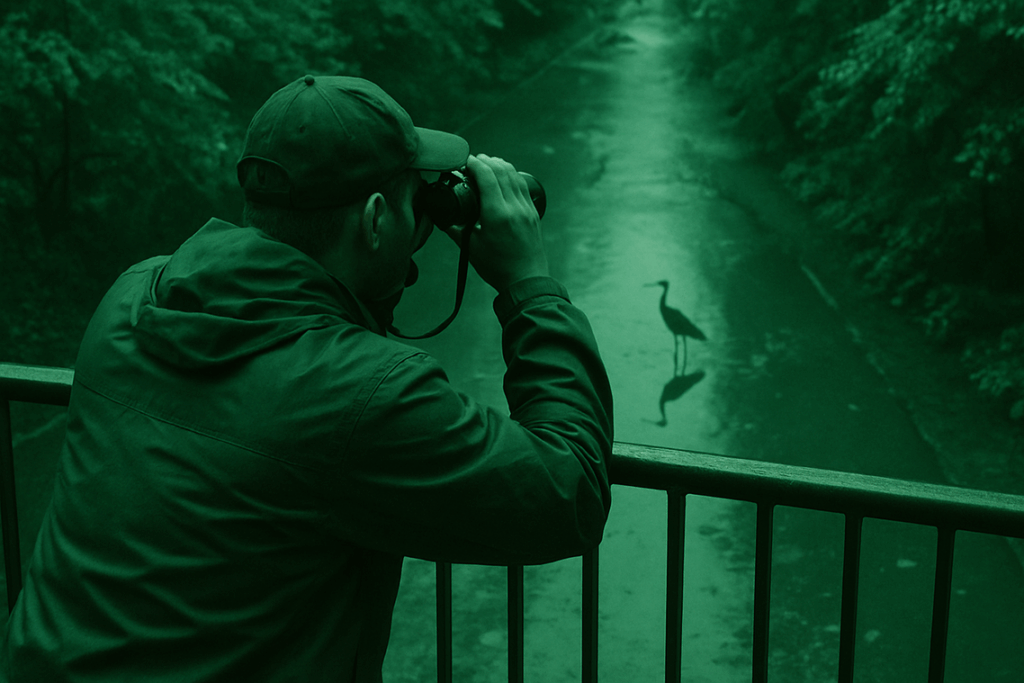
If you’re searching for reliable insights on wildlife forest trails, you’re likely looking for more than just scenic route suggestions. You want to know which trails offer the richest biodiversity, how to prepare for changing terrain, what gear actually holds up outdoors, and how to explore responsibly without disrupting fragile ecosystems.
This article is designed to meet that need directly. We break down essential outdoor living basics, compare adventure gear based on real-world performance, and share practical wilderness survival hacks that matter when you’re miles from the nearest trailhead. You’ll also discover lesser-known trail experiences and learn how to spot, respect, and safely observe wildlife in their natural habitats.
Our guidance is grounded in extensive field research, hands-on trail testing, and insights gathered from experienced outdoor explorers and conservation-focused resources. The goal is simple: give you accurate, practical, and trustworthy information so you can explore with confidence, preparation, and a deeper appreciation for the natural world.
The Anatomy of a Great Wildlife Trail
A great trail isn’t random—it’s designed by nature. The secret often lies in habitat diversity, especially where multiple ecotones overlap. An ecotone is simply a transition zone where two ecosystems meet, like a meadow blending into dense forest. These overlap areas concentrate food, shelter, and movement corridors. In plain terms: more variety equals more wildlife sightings. Think of it as nature’s version of a food court—everything gathers where options exist.
Water is NON‑NEGOTIABLE. Creeks, ponds, and rivers act as wildlife magnets because every animal needs hydration. On a map, look for thin blue lines (seasonal creeks) or shaded blue patches (ponds). Even small, unnamed streams can support surprising biodiversity.
Edges matter just as much. The “edge effect” describes how animals favor boundaries—forest edges, clearing margins, riverbanks—because they offer both cover and feeding areas. Deer browse where grass meets timber; predators patrol those same lines (cue the nature documentary suspense music).
Indicator species help clarify ecosystem health:
- Woodpeckers suggest mature trees and insect life.
- Frogs signal clean water.
- Native wildflowers attract pollinators, supporting the food chain.
When scouting wildlife forest trails, prioritize diversity, water access, and visible edge zones for the richest experience.
How to Discover Your Own Wildlife Hotspots
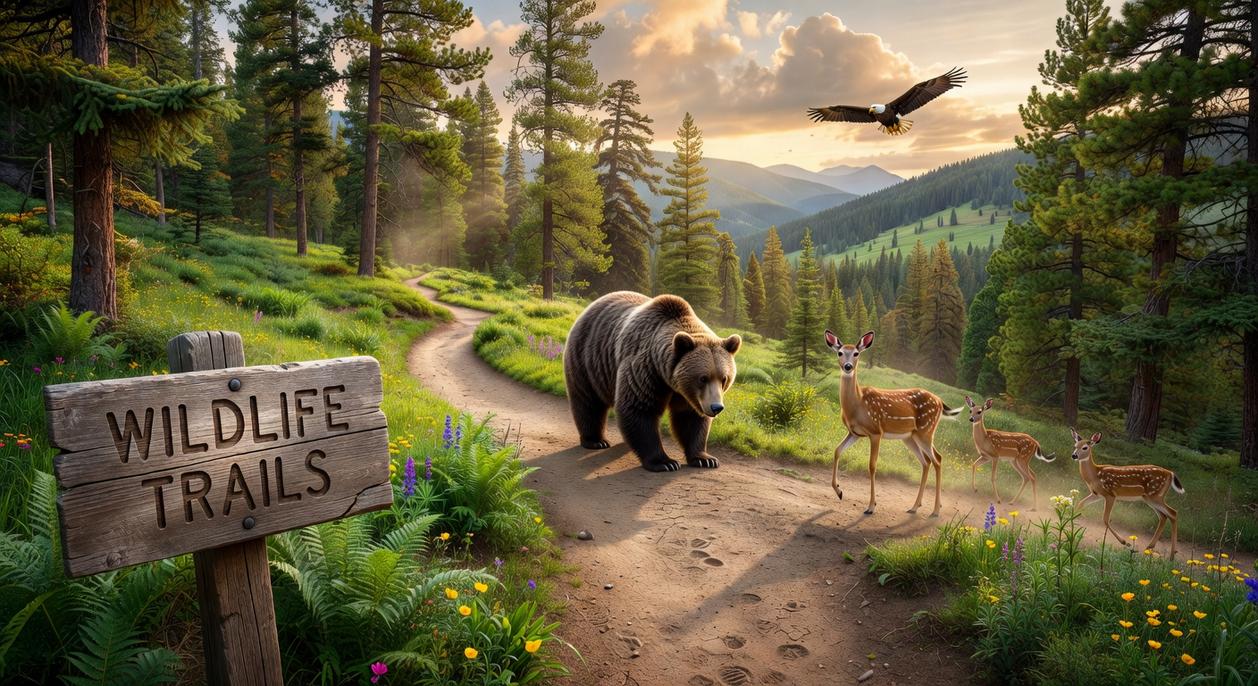
Finding wildlife isn’t about stumbling into a Disney scene (sorry, no spontaneous bird choreography). Instead, it’s about strategy. Here’s how to tilt the odds in your favor.
-
Digitally Scout First
To begin with, open apps like AllTrails or Gaia GPS and use filters such as “wildlife” tags. These tags are user-generated labels that highlight areas where animals have been spotted. Next, read recent reviews carefully. If three hikers mention elk sightings last week, that’s not coincidence—that’s a pattern. (Animals, like us, have favorite hangouts.) However, don’t rely solely on a single excited comment; consistency matters. -
Read Topographical Maps Like a Detective
Meanwhile, learn to spot saddles (low points between peaks), benches (flat ledges on slopes), and water sources. These natural features act as travel corridors because animals conserve energy and need hydration—same as you on mile five. Saddles, in particular, funnel movement, making them prime viewing spots. -
Consult Local Experts
In addition, talk to park rangers, Audubon Society members, or even the chatty employee at your local gear shop. They often know where recent activity has occurred. Pro tip: Ask about early morning patterns; you’ll get more specific advice than just “try the woods.” -
Time It Right
Finally, hike during golden hours—dawn and dusk. Many species are crepuscular (most active at twilight). Yes, waking up early is painful, but so is missing a moose because you hit snooze.
Whether you’re exploring wildlife forest trails or coastal paths offering breathtaking cliffside walks, preparation turns luck into likelihood. And honestly, that beats waiting for a bear to RSVP.
1. Optics That Work With the Woods, Not Against Them
First, let’s talk binoculars. An 8×42 (8x magnification, 42mm objective lens) offers a wider field of view—meaning you see more of the landscape at once. In dense forest environments, that wider window makes it easier to track movement without constant readjusting. A 10×42 brings subjects closer, but the narrower view can feel shaky and restrictive among trees. For most observers, 8×42 strikes the sweet spot: steady images, brighter visuals in low light, and less eye fatigue. The payoff? Faster spotting and longer, more comfortable sessions.
- The Silent Wardrobe
Next, your clothing can either betray you or protect you. Fleece and wool absorb sound, unlike stiff nylon that rustles with every step (and yes, animals notice). Earth-toned colors—olive, brown, muted gray—help you blend naturally into wildlife forest trails. The benefit is simple: you stay unnoticed, which means better sightings and less disturbance.
- Footwear for a Light Tread
Trail runners, with soft and flexible soles, allow quieter, more responsive steps than rigid hiking boots. While boots offer ankle support, runners provide ground feel—ideal for careful placement. Less crunch, more control.
- Packs and Patient Comfort
Finally, a compact daypack reduces snagging on branches. Add a lightweight sit-pad, and you can wait longer in comfort. Patience often rewards you with moments others rush past.
Fieldcraft: The Art of Seeing Without Being Seen
Mastering the Fox Walk is your first advantage. Instead of stomping heel-first, roll your foot from the outside edge inward, placing each step with intention. The benefit? You move quietly, spot more wildlife, and feel more connected to the terrain (it’s a bit like going full Aragorn in ranger mode). On wildlife forest trails, that subtle shift can mean the difference between startling a deer and observing it undetected.
Just as important, sharpen your senses. Listen for snapped twigs or sudden bird alarm calls—nature’s early warning system. Pay attention to wind direction so your scent drifts away from animals, not toward them. This small adjustment dramatically increases sightings.
Then, slow down. Often, the best encounters happen after 15–20 minutes of stillness. Finally, follow ethical observation rules: don’t feed wildlife, keep a safe distance, and use your camera’s zoom instead of your feet. Respect earns better, longer-lasting experiences.
Step Forward with Confidence on the Trail
You set out to better understand how to explore wildlife forest trails safely, confidently, and with the right preparation. Now you have the tools, insights, and practical strategies to do exactly that.
The truth is, heading into the wilderness unprepared can turn an exciting outing into a stressful — even dangerous — experience. Uncertainty about gear, terrain, or survival basics holds many people back from fully enjoying the outdoors. But with the right knowledge and a clear plan, those worries don’t have to control your adventure.
Take action today. Review your gear, apply the trail strategies you’ve learned, and plan your next outing with confidence. Thousands of outdoor enthusiasts rely on our expert comparisons, field-tested survival hacks, and trail insights to stay prepared and protected. Don’t leave your next adventure to chance.
Explore more guides, sharpen your skills, and get trail-ready now — so your next journey into the wild is safe, smart, and unforgettable.