If you’re searching for hidden waterfall hiking trails, you’re likely craving more than a crowded overlook and a quick photo. You want secluded cascades, untouched scenery, and the kind of trail experience that feels like a true discovery. This guide is designed to help you find exactly that.
Many hikers miss breathtaking waterfalls simply because they rely on the same over-publicized routes. The reality is that some of the most spectacular falls are tucked away behind lesser-known trailheads, lightly marked paths, or longer backcountry treks. Knowing where — and how — to look makes all the difference.
To bring you reliable recommendations, we analyzed topographic maps, reviewed seasoned hiker reports, and cross-checked local trail data to ensure accuracy and safety. In this article, you’ll uncover remarkable waterfall hikes, practical navigation tips, and smart preparation advice so you can explore with confidence and avoid the crowds.
Beyond the Crowded Paths: Finding Your Own Waterfall Sanctuary
You lace up your boots, reach the falls—and find a parking lot’s worth of hikers angling for the same selfie. So much for solitude.
Most blogs recycle identical “must-see” trails, which is why hidden waterfall hiking trails feel impossible to find. They aren’t. They just require better methods.
Here’s what to do:
- Use topographic maps to trace blue lines upstream from lesser-known trailheads.
- Check land management sites for public access rules.
- Start midweek at dawn (yes, it’s worth it).
In short, you’ll learn to find and explore safely.
The Art of Discovery: How to Locate Unlisted Waterfall Trails
Finding waterfalls that aren’t on glossy tourism lists takes more than luck—it takes method. If you’re serious about discovering hidden waterfall hiking trails, start with digital cartography.
Digital Cartography
Download apps like Gaia GPS or CalTopo and switch on topographical layers. Look for tight contour lines hugging a creek; those stacked lines signal a sharp elevation drop (a classic waterfall clue). Cross-reference with satellite view to confirm a visible rock face or plunge pool. Pro tip: toggle slope-angle shading—anything dramatically steep near water deserves a closer look. According to the U.S. Geological Survey, topo maps remain one of the most reliable tools for identifying terrain changes because they model elevation with precise contour intervals (USGS.gov).
Leveraging Local Knowledge
Next, go where locals talk. Search niche hiking forums and subreddit communities like r/yourstatehiking. People rarely post GPS pins, but they drop hints (“about a mile past the old fire road”). Better yet, visit a state park office and ask rangers directly. They may not advertise sensitive spots, but they’ll often confirm whether you’re chasing a real cascade or a seasonal trickle.
The Paper Trail
Don’t ignore old forestry service maps or library archives. Many show decommissioned trails modern apps omit. These forgotten paths can lead to overlooked gems (yes, actual treasure-map energy).
Heuristic Trail Finding Checklist
Before you go, vet the spot:
- Is it on public land with legal access?
- Is there a safe parking or entry point?
- Do satellite images show manageable tree cover?
- Does the terrain suggest a viable hiking route?
Smart scouting beats blind wandering—every time.
Last spring, I learned the hard way that waterfalls create their own weather. The air was warm, but the spray turned the trail into a slick, unpredictable obstacle course. That’s when I realized: footwear is non-negotiable.
Waterproof hiking boots with high-traction soles grip algae-covered rocks, while trail runners dry faster but often sacrifice ankle support. On uneven, slippery terrain, that extra structure prevents rolls and strains (and saves you from an embarrassing slide). Some hikers argue lightweight shoes are enough, especially on hidden waterfall hiking trails, but after tweaking my ankle, I’m firmly in the boot camp.
The microclimate—a pocket of constant mist—means everything stays damp.
• Waterproof backpack cover
• Quick-drying synthetic or wool layers (cotton traps moisture and chills you)
Navigation and stability matter, too. Trekking poles add balance on slick crossings and double as depth gauges. A reliable offline map and power bank keep you oriented when signal fades. For contrast, compare preparation on desert hikes like desert hiking routes with stunning sunset views.
Pro tip: pack an extra pair of dry socks—you’ll thank yourself later. Water rewards preparation and punishes complacency every single time. Plan smart, hike steady, stay dry. Out there.
Wilderness Wisdom: Staying Safe on Wet and Wild Trails
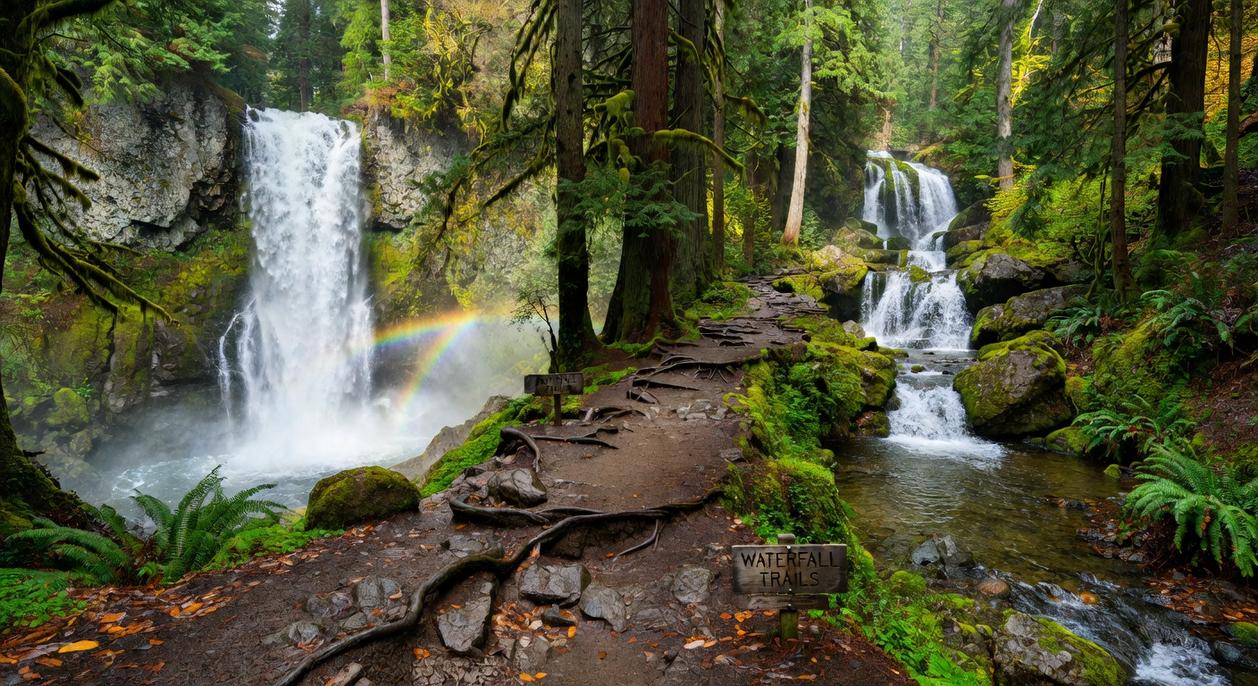
The first time I slipped on a rain-slick slab of granite, I learned fast: waterfalls are beautiful, but they demand respect. On hidden waterfall hiking trails, rocks often wear a thin coat of algae (a slick, plant-like film that feels like ice under your boots). That’s where the three points of contact rule comes in—always keep two feet and one hand, or two hands and one foot, grounded before shifting your weight. Test each step by pressing down gently first; loose stones often wobble before they roll (and they will roll at the worst moment).
Water hazards deserve equal caution. Strong currents at the base of waterfalls create undertows—circular water movements that can pull you off balance. Even on a warm day, cold spray can trigger hypothermia, a dangerous drop in body temperature below 95°F (CDC). I once ignored the chill because the sun was out—big mistake. Within minutes, my hands stiffened and judgment dulled.
Off-trail navigation basics:
- Carry a compass and know how to follow a bearing.
- Identify fixed landmarks like ridgelines or distinctive trees.
- If disoriented, stop moving, breathe, and retrace your last confirmed point.
Some argue GPS makes these skills obsolete. But batteries die (usually at 12%). A simple compass doesn’t.
Finally, practice Leave No Trace—Plus: pack out everything, avoid trampling moss, and resist carving initials. Pristine places stay magical only if we tread lightly.
Three Blueprints for Your First Off-Path Discovery
My first off-trail wander started with overconfidence and a pair of soaked boots (rookie move). START WITH AN ANECDOTE ABOUT THE MOMENT YOU REALIZED THE MAP WAS ONLY A SUGGESTION. That’s the spirit behind these models for hidden waterfall hiking trails.
- The Canyon Creek Scramble – Follow a shallow creek through a tight gorge, hopping slick stones and reading water flow like a trail marker.
- The Forest Service Road Find – Park at a rusted gate, then bushwhack briefly toward the sound of rushing water.
- The “Lost” Park Trail – A decommissioned path, faint but walkable if you TRUST YOUR INSTINCTS.
Pro tip: download offline maps before you go.
Your Next Adventure Awaits
Now you have a framework to discover, not just visit, secluded waterfalls. If crowded overlooks and predictable loops have left you uninspired, this is your reset. Instead of following the main trail, open a topographic map, trace blue lines upstream, and look for contour lines that pinch tight—often a waterfall clue. Next, cross-check satellite view for clearings or mist signatures. Finally, plan a weekday hike at dawn for solitude.
Start local. Choose one forest, mark two promising spots, and explore responsibly. Hidden waterfall hiking trails reward curiosity with silence and surprise. Let adventure begin today now.
Find Your Next Hidden Escape
You set out to uncover hidden waterfall hiking trails that most people overlook—and now you know where to look, how to prepare, and what to expect when you get there. Instead of crowded overlooks and overposted routes, you have the insight to explore quieter paths that lead to breathtaking, lesser-known cascades.
The real frustration was never just finding a trail. It was wasting time on overhyped spots, battling crowds, and missing out on the peaceful, immersive experience you were craving. With the right approach, research strategies, and trail awareness, you can finally trade noise for nature and discover places that feel untouched.
Now it’s time to take action. Start planning your next hike using these strategies, compare your gear to ensure you’re fully prepared, and map out one new waterfall destination to explore this month. Thousands of outdoor enthusiasts rely on our expertly curated trail insights and gear comparisons to uncover unforgettable adventures—don’t let another season pass you by.
Pick your trail, lace up your boots, and go chase the waterfall that most hikers will never see.