
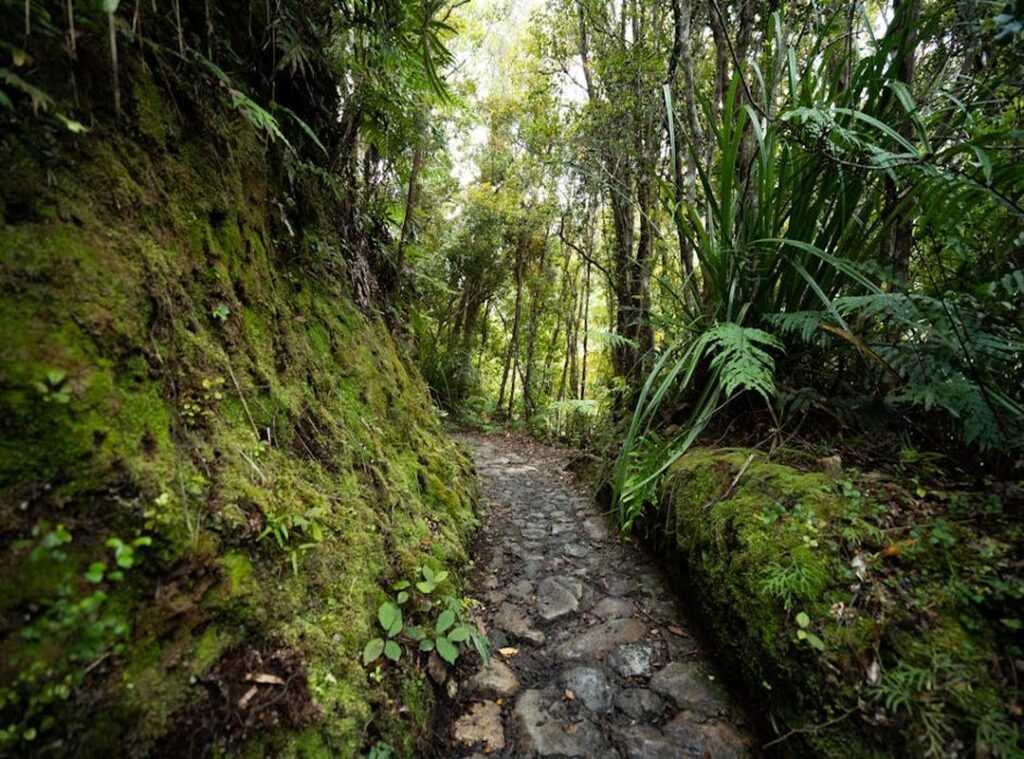
Are you tired of hitting the same trails, feeling like you’re caught in a loop? I’ve been there. The thrill of discovery fades fast when you’re trudging the same paths over and over.
That’s why you need a system to find new hiking trails. Over the years, I’ve moved beyond the usual apps and found ways to uncover hidden routes. Imagine stepping onto a trail you’ve never walked before, with that electric sense of adventure tingling in your feet.
This isn’t just another list of overcrowded trails. It’s about teaching you how to discover those gems yourself. Why follow when you can lead?
You’ll learn to become a trailblazer, forging paths others haven’t yet seen. Trust me, with this guide, you’ll open up the secrets to exploring fresh hikes like never before.
The Modern Explorer’s Digital Toolkit
You want to find new hiking trails? Sure, there are countless digital tools to get you started. But the secret sauce is in how you use them.
Take Gaia GPS or CalTopo. They aren’t just for pretty satellite views. These apps let you layer maps like a pro.
Toggle between satellite, USGS topo, and public land overlays. Ever spotted an unlisted trail or some hidden terrain feature that way? I have.
It’s like uncovering a secret door in an adventure game.
Strava and Garmin Connect’s heatmaps are another treasure. Here’s a tip: look for the faint lines. Those dim paths aren’t mistakes; they’re less-trafficked trails.
And you’ll find peace away from the crowd. Does everyone else miss these? Maybe, but not you.
You know better.
Then there are platforms like AllTrails. Everyone uses them, right? But here’s the twist.
Filter for the newest or least-reviewed trails. Why? Because you’ll find the gems.
Read the comments, too. Some folks spill the beans on unofficial side-trails or extensions. You never know what you’ll stumble upon.
Pro tip: search for a known landmark. A peak or a lake, perhaps. Then scan the satellite view for faint footpaths leading away from the main trail.
It’s like following breadcrumbs. And sometimes, you find something truly unexpected.
Remember, the way we explore is changing. It’s not just about the trails we walk. It’s about understanding the top environmental changes affecting adventurers.
Nature is evolving, and so should our tools.
So, gear up, use these digital takeaways, and step into the wild. I’m not saying you’ll find a magic portal, but you might find a hidden waterfall or an undiscovered vista. And isn’t that why we hike?
To find, to discover, to explore. That’s the heart of the modern explorer’s toolkit.
Trails Unplugged: Rediscovering Analog Adventure
In a world dominated by screens, finding new hiking trails without digital aids feels like discovering a secret. I love the art of analog exploration. Why depend on apps when you can tap into the wisdom of local ranger stations?
Rangers aren’t just there to hand out maps. They know the land (the) texture of the soil, the smell of the trees after rain. They’ve walked every trail and can guide you to paths that don’t exist on your phone.
Local outdoor shops are another treasure trove. Got a question about a hidden trail? The folks there are often passionate adventurers themselves.
They’ve stumbled upon trails while chasing sunsets and can share firsthand stories that maps never capture. Have you ever felt the weight of a genuine topographical map? Unfolding it is like opening a portal to unknown ridges and valleys.
The contour lines whisper secrets of the land. You can almost hear the rustle of leaves as you trace potential paths with your fingers.
These groups are filled with trailblazers who chronicle paths in guidebooks, preserving routes that digital maps overlook. Such guides are often filled with tales and tips that apps fail to offer.
Physical maps demand your attention in a way screens can’t. They lack the glow, but they make up for it with detail you can touch. Then there are hiking clubs.
For those craving a more curated experience, check out how new long-distance trails take shape across texas. It’s a reminder of how vast and varied our trails can be.
So next time, ditch the GPS. Embrace the unknown. Let the trail guide you, not the screen.
Trail Sense: Get through Like a Pro
Ever found yourself staring blankly at a map, wondering how to get from point A to point B? Let me tell you, there’s more to new hiking trails than just blazed paths. It’s about developing intuition and figuring out the lay of the land.
Take desire paths, for example. These aren’t marked on any map but are those unofficial trails carved out by countless feet. Learning to spot these can save you time and energy.
The trick? Look for worn grass, flattened earth, or subtle tracks that tell a story only seasoned hikers know how to read.
Ever heard of natural corridors? They’re everywhere, hiding in plain sight. Ridgelines and dry creek beds often double as secret highways through dense woods.
Game trails, too (animals) have this knack for sniffing out the easiest routes (pro tip: trust their instincts).
Visual cues are another secret. Think unnaturally straight lines of trees (old logging roads, perhaps) or those rugged stone walls whispering tales of forgotten boundaries. Subtle clearings, maybe?
They often hint at paths used for centuries, now almost lost to time.
And why is all this important? For safety and adventure, of course. Connecting known trails or creating small loops isn’t just about the thrill.
It’s also about treading lightly, leaving no trace, and keeping our wild spaces intact.
For the Breaking Latest Outdoor News, staying informed is key. It’s about understanding the environment and adapting to it, just as we do with new hiking trails. What’s your favorite trail discovery moment?
Safety Check: Planning New Hiking Trails
I can’t stress this enough: safety comes first before embarking on any adventure. Sure, discovering new hiking trails is a thrill. But let’s get real.
Venturing blindly without a plan is just asking for trouble.
First thing’s first, get your maps straight. Cross-reference your trail on multiple map layers. Satellite and topo maps can save your skin (literally) by revealing cliffs or private land you shouldn’t trespass on.
Dive into recent satellite imagery too (Google) Earth Pro is your friend here. Need to know if that trail’s buried in snow or if a wildfire left it scorched? This is your intel.
And please, do the research. Look up obscure blogs or trip reports about the area. They might have nuggets of wisdom or warnings you won’t find elsewhere.
Formulate a plan. I mean a real plan. Check the weather, estimate your time, identify bail-out points.
And for goodness’ sake, tell someone your plan and expected return time. The last thing you want is to be the star of a search and rescue mission.
Adventure is out there, no doubt. But being prepared turns potential disaster into just another great story to tell.
Discover Your Own Trails
Hiking the same old paths gets dull, doesn’t it? That’s why we need a system to uncover new gems. Mix your digital tools, trusty maps, and those keen observation skills.
You’ve got what you need to find new hiking trails. No more fighting crowds on tired, worn-out routes.
So here’s your challenge: pick one method from this guide and use it this week. Find a fresh trail near you. It’s out there waiting.
Isn’t it time you gave yourself an adventure worth the effort? Start your discovery journey now. Your next trail is calling.
Don’t ignore it.