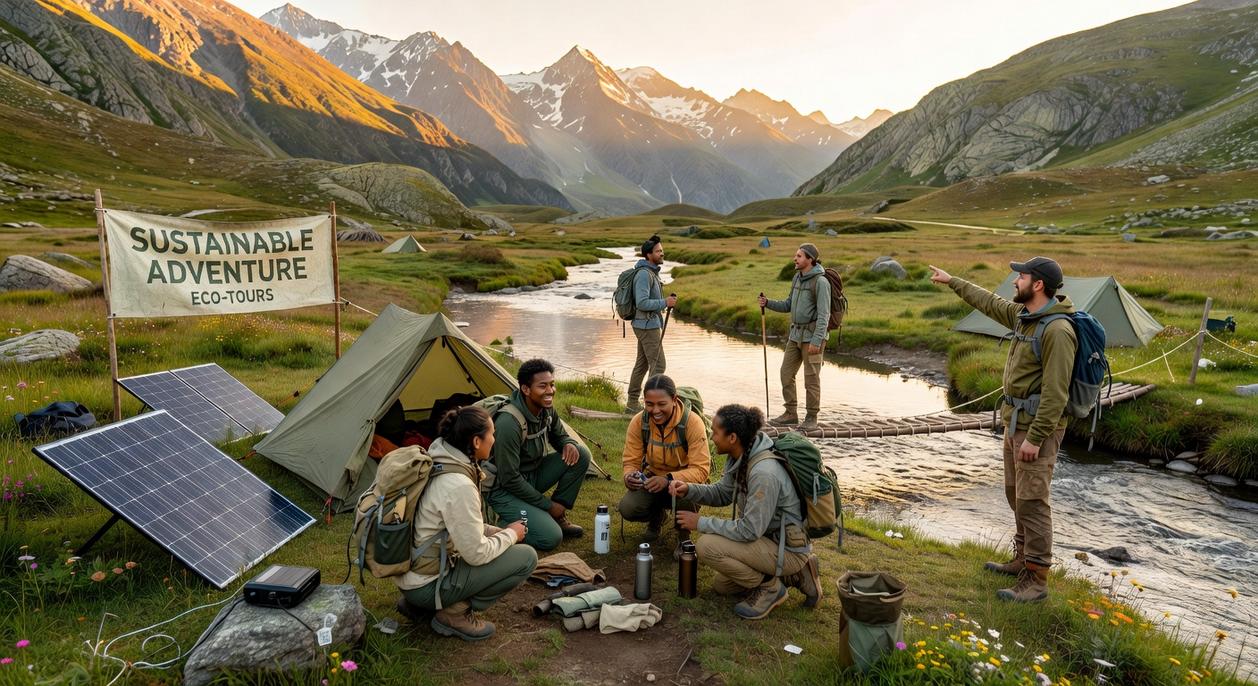
The outdoor space is evolving faster than ever, and if you’re searching for insights on outdoor industry trends 2026, you’re likely looking for clarity on where the market is heading and how it will impact your adventures, gear choices, or business decisions. From shifting consumer preferences and sustainability demands to breakthrough materials and smart technology integration, the landscape is changing in meaningful ways.
In this article, we break down the most important developments shaping 2026, highlight emerging opportunities, and explain what these shifts mean for outdoor enthusiasts and industry professionals alike. Our analysis draws on current market data, retail performance reports, and expert commentary from across the outdoor sector to ensure you’re getting accurate, up‑to‑date insights.
Whether you’re planning your next expedition or evaluating long‑term opportunities in the outdoor market, this guide will help you understand what’s driving change—and how to stay ahead of it.
Trend 1: The Hyper-Intelligent Backcountry
Once upon a time, GPS (Global Positioning System—satellite-based location tracking) was enough. You dropped a pin, followed a line, and hoped the weather cooperated. Now, however, we’re shifting to GIS—Geographic Information Systems that layer terrain, climate, wildlife data, and user behavior into one adaptive map. In other words, A vs. B: static coordinates vs. living intelligence.
The Shift from GPS to GIS
With AI-powered GIS, “heuristic trail discovery” (route suggestions based on pattern learning and probabilities) recommends paths using real-time weather, trail erosion reports, fitness data from your smartwatch, and even crowd-sourced bear sightings. For example, instead of simply guiding you up Trail A, the app may reroute you to Trail B because storms are building at higher elevation and your recent heart-rate trends suggest fatigue. That’s not just navigation—that’s risk mitigation. Some purists argue this removes the romance of exploration. Fair point. But getting lost isn’t as poetic at mile 14 (ask anyone who’s rationed trail mix at dusk).
Augmented Reality Navigation
Next, AR overlays project waypoints, incline grades, and plant identification directly onto your field of view—think less paper map, more subtle heads-up display. It’s like hiking with Jarvis from Iron Man, minus the sarcasm.
Gear Gets Smart
Finally, smart apparel tracks biometrics, sleeping pads auto-adjust firmness, and portable purifiers display live contamination metrics. Pro tip: real-time hydration data can prevent altitude-related fatigue before symptoms hit. As outdoor industry trends 2026 show, safety and efficiency—not gimmicks—are driving adoption.
Trend 2: Radical Sustainability and the Circular Gear Economy
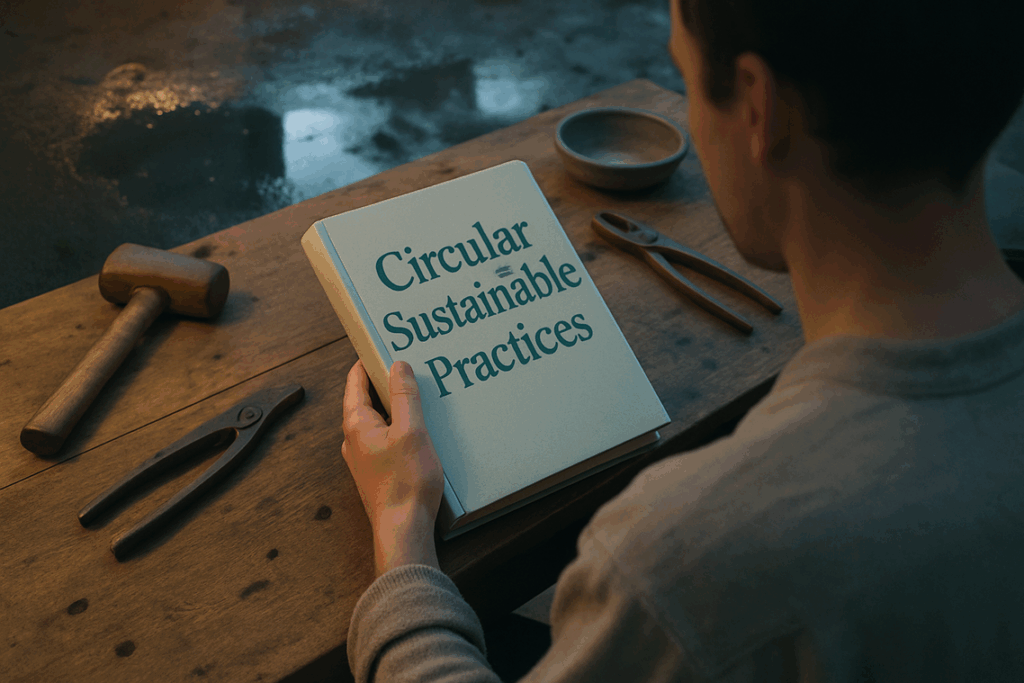
Sustainability used to mean “made with recycled materials.” Now it means redesigning the entire lifecycle of gear.
Old Model vs. Circular Model:
- Buy–Use–Discard: Seasonal jacket drops, limited repairs, landfill ending.
- Rent–Repair–Resell: Brand-run rental fleets, certified pre-worn marketplaces, lifetime guarantees.
In other words, ownership is no longer the only badge of honor. Renting a high-end shell for a single alpine trip versus buying it outright? That’s access over accumulation (and your closet will thank you). Brands backing repairs for life are also outperforming fast-fashion-style competitors because durability has become a purchasing metric, not a bonus.
Meanwhile, the material science race is accelerating. Petroleum-based synthetics are being challenged by:
- Mushroom-derived leather alternatives
- Algae-based waterproof membranes
- Yarns spun from recycled ocean plastics
Traditional nylon vs. bio-fabricated fabrics is becoming the new Gore-Tex vs. generic debate. The difference? Lower carbon footprints and closed-loop recyclability. According to Textile Exchange, recycled fiber production continues to climb year over year, signaling structural change—not marketing spin.
Then there’s proactive conservationism. Today’s hikers log trail erosion, invasive species sightings, and pollution through dedicated apps, turning recreation into real-time data collection. Think Pokémon Go, but for ecosystem health.
Some critics argue this is greenwashing wrapped in tech optimism. Fair. But compared side-by-side with the waste-heavy model of the 2000s, outdoor industry trends 2026 show measurable movement toward circular accountability.
The shift isn’t perfect—but it’s undeniably systemic.
Trend 3: The Expanding Basecamp: Inclusivity and Accessibility
The old “outdoorsy” archetype—granola-clad, ultra-fit, summit-chasing—has officially expired. In its place? A broader, more honest picture of who belongs outside: everyone. Across the U.S., BIPOC hiking collectives, LGBTQ+ climbing nights, and adaptive cycling groups are growing fast, reflecting wider outdoor industry trends 2026 data showing participation increases among historically excluded communities (Outdoor Industry Association, 2024).
Some critics argue that emphasizing identity fragments the outdoor community. But the opposite is happening. When gatekeeping fades, participation rises. Safe spaces don’t divide the trail—they widen it.
What to do:
- Seek out inclusive meetups in your area (start with local park boards or community gear shops).
- Support brands investing in adaptive and extended sizing lines.
Gear is evolving too. Adaptive kayaks with stabilizing outriggers, prosthetic-friendly harness systems, and size-inclusive apparel beyond 3XL are becoming standard—not niche. Customizable packs and modular layering systems allow more body types and abilities to participate comfortably (because numb fingers and pinched hips ruin adventures for everyone).
Then there’s the surge in “near-country” adventures: urban kayaking, park bouldering, and neighborhood trail loops. According to the Trust for Public Land (2023), proximity to green space strongly predicts outdoor participation.
Recommendation: Start local. Try a weekly park hike, a riverside paddle, or a community gear demo. Explore resources like https://www.rei.com/blog/news for ideas.
Adventure doesn’t require a plane ticket. Sometimes it just requires permission—to show up as you are.
Trend 4: The “Gorpcore” Lifestyle Becomes Functional Reality
Gorpcore—once an aesthetic built on trail runners and oversized shells—has shifted from Instagram look to FUNCTIONAL wardrobe strategy. Consumers now expect technical fabrics like Gore-Tex Infinium and moisture-wicking merino blends to transition from summit hikes to subway commutes without missing a beat. Multi-purpose apparel reduces cost per wear (and closet clutter), while features like taped seams, ventilation zips, and packable insulation deliver real performance benefits.
This shift mirrors broader outdoor industry trends 2026, where durability and adaptability outrank pure style.
The ‘Work From Anywhere’ Kit
Remote workers are investing in solar power banks (20,000mAh+ capacity), shockproof laptop cases, and fold-flat ergonomic stools under three pounds. The goal: mobility without sacrificing productivity. As explored in how climate patterns are influencing hiking seasons worldwide, unpredictable weather makes resilient, portable setups less luxury—more necessity.
The Trail Ahead
The post-pandemic surge in camping and hiking has cooled; however, that doesn’t mean interest is fading. Instead, outdoor industry trends 2026 point toward intention. First, sustainability moves from buzzword to baseline—repairable gear, circular resale markets, and low-impact travel (think Patagonia’s Worn Wear model). Some argue eco-focus raises prices. Yet scale and smarter materials are already lowering costs (see Textile Exchange reports).
Meanwhile, technology integrates quietly: AI trail apps, satellite safety tools, and lightweight solar kits. Critics say tech dilutes wilderness purity. Fair—but smart tools often increase access and safety.
Finally, inclusivity and lifestyle blending redefine who gets outside—and how often.
The future of adventure is smarter, more sustainable, and more inclusive; the era of one-size-fits-all exploration is fading fast. Yet keeping up can feel overwhelming. New tech launches monthly, sustainability claims blur together, and accessibility standards continue to evolve. I’ll admit, even seasoned hikers don’t have all the answers about which shifts will stick.
Still, by embracing intelligent tech, circular gear systems, broader accessibility, and lifestyle integration, you align with outdoor industry trends 2026. Start small. Evaluate your kit and habits. Is your gear adaptable? Are you backing responsible brands? Preparation today shapes tomorrow’s trail experiences. No one knows everything.
Stay Ahead of What’s Next in the Wild
You came here to understand where the market is heading and how to prepare for outdoor industry trends 2026. Now you have a clearer picture of the innovations, shifting consumer demands, and evolving gear standards shaping the trail ahead.
The real risk isn’t being unaware — it’s being unprepared. Falling behind on emerging trends can mean missed opportunities, outdated gear choices, and wasted investment in products that no longer meet modern outdoor expectations.
Act on what you’ve learned. Start evaluating your current gear, purchasing strategy, or business positioning against these upcoming shifts. Prioritize innovation, sustainability, and performance-driven design in every decision you make.
If you want reliable insights that cut through the noise and spotlight what actually works in the field, explore our latest guides and comparisons today. We’re one of the most trusted sources for practical outdoor intelligence — and we make it simple to stay ahead.
Don’t wait for 2026 to arrive. Prepare for it now.