
Curious about how modern explorers are pushing boundaries and what it means for your next adventure? This article dives straight into the latest exploration technology innovations transforming how we navigate trails, survive in the wild, and experience the outdoors. From advanced GPS systems and lightweight survival gear to smart wearables designed for extreme environments, we break down what’s actually useful versus what’s just hype.
If you’re searching for practical insights to upgrade your outdoor strategy, you’re in the right place. We’ve analyzed current gear developments, reviewed real-world field tests, and studied emerging trends in backcountry technology to give you clear, actionable takeaways. Whether you’re a weekend hiker or a seasoned adventurer, you’ll discover how these innovations enhance safety, efficiency, and overall outdoor performance—so you can explore smarter, not just farther.
The New Frontier: How Tech is Redefining Adventure
Humans have always chased the horizon—from abyssal trenches to knife-edge summits. Yet historically, exploration bowed to fatigue, faulty maps, and danger. Frostbite, decompression sickness, and miscalculation ended countless journeys.
Now, however, exploration technology innovations are rewriting that story. AI-driven route modeling predicts weather windows; lightweight satellite communicators beam live data; autonomous drones scout crevasses before boots hit ice. While competitors praise flashy gear, they overlook integration—the way sensors, biometrics, and mapping software sync into one decision-making ecosystem.
As a result, modern adventurers don’t just survive harsh terrain—they understand it (and outsmart it).
Beyond the Compass: The Revolution in Navigation and Cartography
For centuries, explorers relied on compass bearings and hand-drawn charts. Today, portable LiDAR (Light Detection and Ranging, a laser-based remote sensing method) and drone photogrammetry have rewritten the rules. By firing thousands of laser pulses per second and measuring how long they take to bounce back, LiDAR scanners generate centimeter-level 3D models of caves, forest canopies, and buried ruins (U.S. Geological Survey). The benefit isn’t just prettier maps—it’s visibility where the naked eye fails. Archaeologists have uncovered entire Mayan cities beneath jungle cover using airborne LiDAR (National Geographic). That’s not sci-fi; it’s standard fieldwork.
Satellite navigation has evolved just as dramatically. Traditional GPS is a U.S.-based system, but modern GNSS (Global Navigation Satellite System) receivers tap into multiple constellations—GPS, GLONASS, Galileo, and BeiDou—for improved redundancy and accuracy, often within one meter under open sky (European Space Agency). Two-way satellite communicators like Garmin inReach and ZOLEO add:
• Global SOS signaling routed through 24/7 monitoring centers
• Two-way text messaging beyond cellular coverage
• Downloadable weather forecasts for route planning
Isolation becomes a calculated risk rather than a blind gamble.
Then there’s heuristic trail discovery—mapping powered by community intelligence. Apps like Gaia GPS and AllTrails transform user-uploaded GPS tracks into living cartography. Hikers report washed-out bridges, seasonal springs, or newly cleared paths in real time. It’s Wikipedia meets wilderness (and far more useful than a decades-old topo map).
These exploration technology innovations don’t just chart terrain—they expand human reach, turning the once-unknown into something navigable, shareable, and safer.
Smarter, Lighter, Stronger: The Next Generation of Exploration Gear
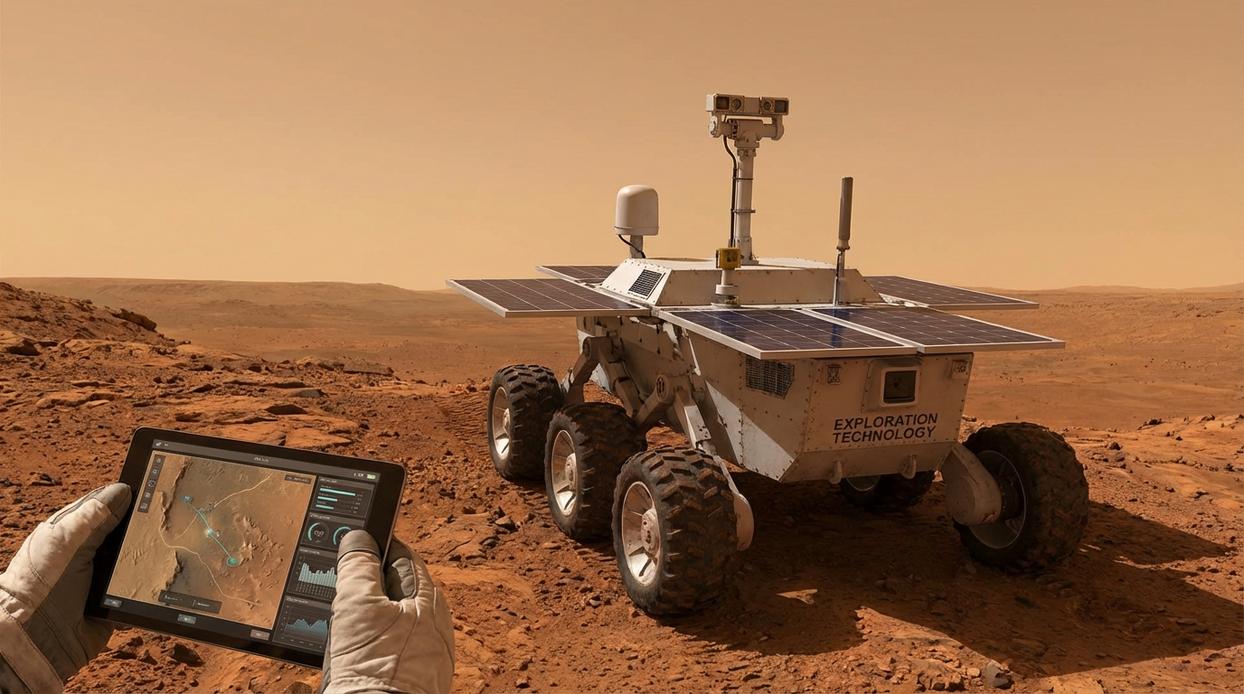
The modern explorer faces a simple question: carry more, or carry smarter? Increasingly, the answer lies in advanced materials and intelligent systems that reduce weight without sacrificing performance.
Advanced Materials Science: Strength Without the Bulk
Traditional nylon has long been the workhorse of tents and packs—durable, affordable, and familiar. However, Dyneema Composite Fabric (DCF) changes the equation. With one of the highest strength-to-weight ratios in the world (DSM reports it’s 15 times stronger than steel by weight), DCF shelters can weigh half as much as nylon equivalents while maintaining tensile strength. Graphene-infused textiles, meanwhile, enhance thermal regulation by dispersing heat evenly—ideal for alpine swings where temperatures fluctuate rapidly.
Recommendation: If you’re upgrading one item this season, start with your shelter. Cutting even two pounds from your base weight improves endurance and reduces joint strain over multi-day treks (your knees will thank you).
Portable Power Independence
Next, consider energy. Early portable solar panels were bulky and inefficient. Today’s monocrystalline foldable panels reach efficiencies above 20% (U.S. Department of Energy), while lithium-ion power banks pack more watt-hours into smaller casings. That means reliable GPS, satellite comms, and camera gear deep off-grid.
Recommendation: Pair a 20W foldable panel with a high-density lithium-ion bank for redundancy. Weather shifts; batteries fail. Systems matter.
Biometric Survival Wearables
Finally, move beyond step counters. Advanced wearables now monitor core temperature, blood oxygen saturation (SpO2), and hydration trends—critical for detecting hypothermia or Acute Mountain Sickness (AMS) early (CDC guidance).
Some argue this is overreliance on gadgets. Fair. Skills still matter. But exploration technology innovations provide data your body can’t always interpret quickly enough.
For deeper context on where this gear is headed, explore https://follheur.com/outdoor-industry-trends-shaping-adventure-travel-in-2026/.
Choose lighter materials, redundant power, and biometric alerts. Smarter systems don’t replace resilience—they amplify it.
Autonomous Aerial Scouting
First, consider how AI-powered drones have shifted from hobby gadgets to serious expedition tools. Modern units use computer vision and LiDAR-based obstacle avoidance (LiDAR: Light Detection and Ranging, a laser-mapping method) to detect hazards in real time. According to DJI’s 2023 enterprise report, advanced avoidance systems can reduce collision risk by over 60% in complex terrain. In practice, that means a drone can scout crevasses on a glacier, map a rockfall-prone canyon, or document a ridgeline without putting a human in harm’s way. Meanwhile, “follow-me” tracking—where onboard AI locks onto a subject—allows solo explorers to capture aerial footage hands-free (think nature documentary, minus the helicopter budget). These exploration technology innovations are not futuristic concepts; they’re field-tested tools used in search-and-rescue operations worldwide.
Personal Underwater ROVs
Equally transformative are portable Remotely Operated Vehicles (ROVs), essentially tethered mini-submarines controlled from the surface. Consumer models now reach depths of 100 meters, with 4K cameras and integrated lighting. Researchers at Woods Hole Oceanographic Institution note that compact ROVs have expanded shallow-water research access dramatically over the past decade. For divers, canyoneers, or hikers at alpine lakes, this means inspecting submerged hazards or cave openings safely before committing (a wise move, given that cave diving remains one of the highest-risk adventure sports). In short, we’re extending our senses—without extending our risk.
Smarter navigation systems, featherlight gear, and remote sensing tools like drones have reshaped the modern expedition. These exploration technology innovations reduce guesswork, cut pack weight, and extend your field of vision beyond the next ridge. What’s in it for you? Fewer wrong turns, lighter strain on your body, and richer data about the terrain you’re crossing. In short, more confidence with less unnecessary risk.
Some purists argue that relying on devices softens the challenge. But the real aim isn’t to tame the wild; it’s to manage existential risks so you can explore deeper and smarter. A satellite messenger won’t hike the mountain for you, and a drone can’t replace trail instincts. They simply widen your margin for error (which is nice when weather turns cinematic).
Adventure is still powered by curiosity, grit, and respect for the wilderness. Technology is a tool, not the hero.
Before your next trip, ask yourself:
- Do I want better safety coverage?
- Do I want stronger storytelling from above?
- Do I want lighter, more efficient travel?
Choose one upgrade that matches your style. The payoff is simple: amplified awareness, elevated resilience, and adventures that feel both bolder and wiser. That is the real advantage for you.
Keep Exploring Smarter and Safer
You set out to find practical guidance for navigating the outdoors with more confidence, clarity, and capability. Now you have a stronger understanding of the gear, strategies, and exploration technology innovations that are reshaping how modern adventurers prepare, travel, and survive in the wild.
The real challenge isn’t just getting outside—it’s avoiding costly mistakes, unreliable equipment, and outdated tactics that can turn an adventure into a setback. With the right knowledge, you reduce risk, travel smarter, and make every trip more rewarding.
Now it’s time to act. Put these insights to work on your next outing. Compare your current gear, upgrade where it counts, and apply the survival and trail-tested techniques you’ve learned here.
If you want trusted, field-tested guidance that outdoor enthusiasts rely on, explore more of our top-rated resources and gear comparisons today. Don’t head into your next adventure unprepared—equip yourself with proven strategies and start planning your next expedition now.