Planning your first camping trip can feel overwhelming—especially when you’re not sure what to pack, what to leave behind, or what could make or break your experience outdoors. If you’re searching for a clear, practical beginner camping checklist, you want something simple, reliable, and built for real-world conditions—not a vague list that leaves you guessing.
This article is designed to give you exactly that. We break down the essential gear, safety basics, and comfort items you truly need for a successful trip, whether you’re heading to a developed campground or trying a more remote setup. Our recommendations are based on hands-on outdoor research, field-tested gear comparisons, and proven wilderness best practices to ensure you’re prepared without overpacking.
By the end, you’ll have a confident, easy-to-follow checklist that helps you camp smarter, stay safe, and focus on enjoying the adventure instead of worrying about what you forgot.
Planning your first camping trip feels exciting—until you stare at a dozen packing lists. The truth? You don’t need half of it. This guide simplifies the beginner camping checklist into essentials you’ll actually use. Focus on safety, shelter, sleep, and sustenance.
Start with:
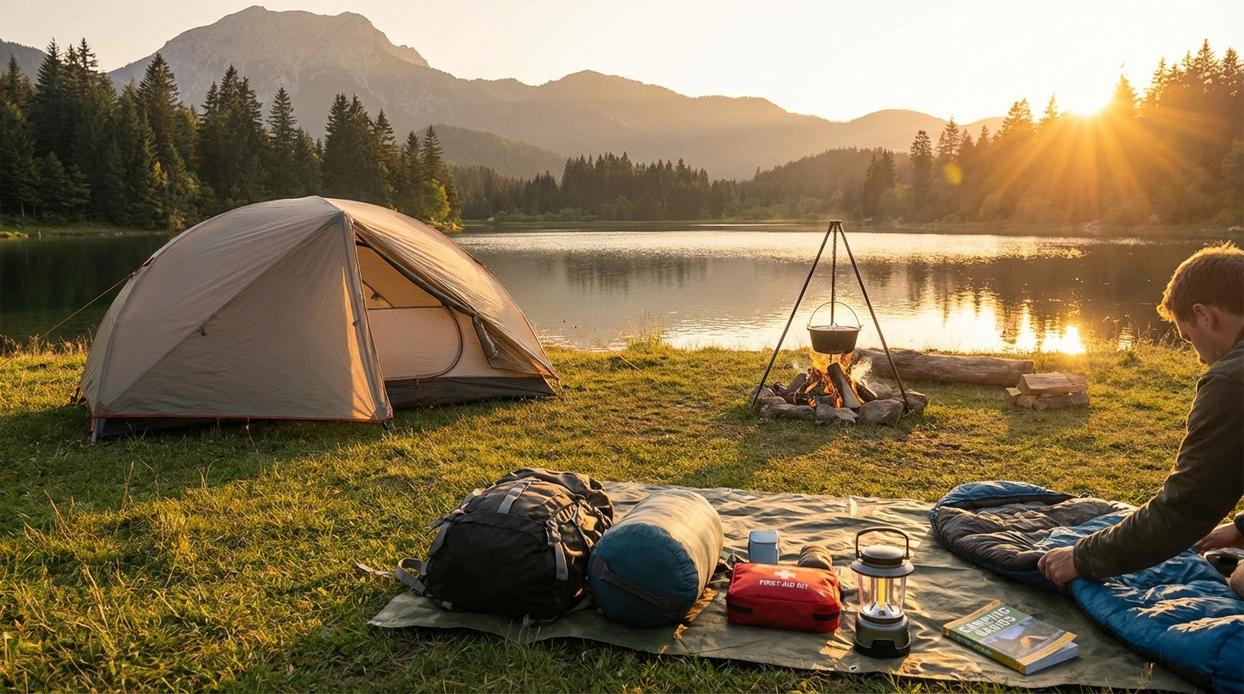
- A weather-appropriate tent and groundsheet
- A sleeping bag rated for local temperatures
- A headlamp (hands-free beats a flashlight)
- Simple meals and plenty of water
Add layers, not gadgets. Test your setup in the backyard first. Build slowly, upgrade intentionally, and let experience—not ads—shape your kit. Confidence comes from preparation, not from owning everything at once. Stay curious outdoors.
The Core Three: Your Shelter, Sleep System, and Pack
The first time I went camping, I brought a bargain tent and a summer sleeping bag in early October. By 2 a.m., I was shivering and questioning all my life choices (including my weather app skills). That trip taught me this: your shelter, sleep system, and pack aren’t extras—they’re the foundation.
Shelter (The Tent)
For most beginners, a 3-season tent—designed for spring, summer, and fall conditions—is the sweet spot. It balances ventilation and weather protection without the bulk of a winter tent. Capacity matters more than people think. A 2-person tent for one camper gives you room for gear (and the ability to turn over without performing yoga). Look for:
- A full rainfly (the waterproof outer layer)
- A footprint (groundsheet that protects the tent floor)
- Easy pole setup
Some argue ultralight tarps are enough. Maybe—for seasoned hikers. But beginners benefit from full coverage and forgiveness when storms roll in.
Sleep System (Sleeping Bag & Pad)
Sleeping bag temperature ratings can be misleading. The comfort rating is where you’ll sleep well; the limit rating is survival mode. Always plan around comfort. Just as important is a sleeping pad. It provides cushioning and insulation from the cold ground (which drains body heat through conduction, per REI Co-op guidance). Foam pads are durable and affordable; inflatable pads pack smaller and feel cushier.
The Pack (Backpack)
If you’re car camping, a duffel works. However, hiking requires an internal-frame backpack, which uses a built-in structure to transfer weight to your hips. Ideally, get fitted in-store. If shopping online, measure torso length and aim for 40–60 liters for weekend trips.
Use this beginner camping checklist to confirm you’ve covered the core three before heading out.
Campsite Essentials: From Cooking to Illumination
Let’s be honest: overpacking ruins camping faster than rain. I’m a big believer in keeping your setup simple, especially if you’re working from a beginner camping checklist. You don’t need a backcountry version of a celebrity chef’s kitchen (this isn’t a survival episode of Top Chef).
Camp Kitchen Basics: In my experience, a small canister or propane stove is more than enough. A single pot handles coffee, oatmeal, pasta, and even soup. Add a long-handled spoon or spork (trust me, your knuckles will thank you), a sturdy mug, and a tiny cleaning kit with biodegradable soap and a sponge. That’s it. Some campers argue for full cookware sets, but unless you’re feeding a crowd, they’re mostly dead weight.
Food Storage & Water: For car camping, a reliable cooler is non-negotiable. In the backcountry, use a bear canister or a properly hung bear bag—wildlife protection isn’t optional; it’s responsible camping (National Park Service guidance strongly supports secure food storage). Bring a durable water bottle and a quality water filter or purifier. According to the CDC, untreated natural water can carry pathogens like Giardia, even if it looks crystal clear.
Campsite Comfort: If I had to rank comfort items, I’d say:
- Headlamp (hands-free light is critical)
- Camp chair
- Small lantern for area lighting
Some say chairs are luxuries. I disagree. After a long hike, sitting comfortably by the fire changes everything. Pro tip: always pack extra batteries for your headlamp—you’ll never regret it.
The Layering System: How to Dress for the Outdoors
Rule #1: No Cotton.
Cotton kills—literally. When wet, cotton loses its insulating ability and can accelerate hypothermia because it holds moisture against your skin. The CDC notes that hypothermia can occur in temperatures as high as 50°F (10°C) if you’re wet and exposed to wind. Cotton absorbs up to 27 times its weight in water, drying slowly (U.S. Army Cold Weather Manual). Choose moisture-wicking synthetics or merino wool instead—they pull sweat away from your body and retain warmth even when damp.
The Three Layers
- Base Layer (Moisture-Wicking): Sits against your skin and moves sweat outward. Think lightweight merino or polyester.
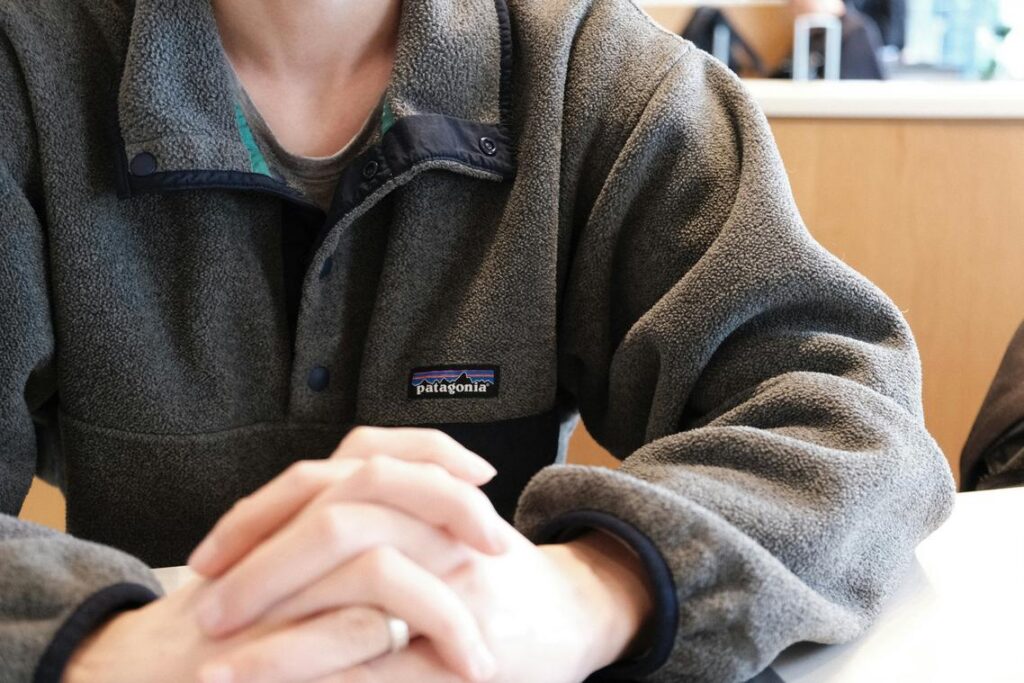
- Mid Layer (Insulation): Fleece or a puffy jacket traps body heat through loft (the air pockets that hold warmth).
- Shell Layer (Protection): Shields you from wind and rain. Waterproof-breathable fabrics reduce heat loss caused by wind chill (NOAA data shows wind increases heat loss dramatically).
Footwear and Socks
Broken-in hiking boots or trail runners prevent hotspots (a leading cause of blisters). Wool or synthetic hiking socks reduce friction and manage moisture—key blister prevention factors confirmed by the American Podiatric Medical Association.
Essential Accessories
A warm beanie, sun hat, and gloves are non-negotiable. Temperatures can drop 20–30°F after sunset in many regions. Add them to your beginner camping checklist—and while planning shelter, review how to choose the right tent for every season.
(Pro tip: Pack an extra dry base layer in a waterproof bag.)
Safety and Navigation: Your Wilderness Lifelines
Think of the Modern Ten Essentials as a system, not a rigid list (nature rarely follows scripts). Each category works together:
- Navigation: Map and compass plus a GPS or phone app with downloaded maps—because batteries die, but paper doesn’t.
- Illumination: A headlamp keeps hands free for late-night setups.
- Sun Protection: SPF, sunglasses, hat—UV exposure happens even on cloudy days (CDC).
- First Aid: Blister care and bandages prevent small issues from ending trips.
- Knife/Multi-tool: Quick gear fixes.
- Fire & Shelter: Lighter, matches, emergency blanket.
- Extra Food/Water: Backup fuel.
Build this into your beginner camping checklist.
Now you have a complete, actionable plan—no more wandering store aisles wondering what you forgot. The early gear-buying confusion that trips up most first-time campers is solved with a clear, categorized setup, including your beginner camping checklist. Instead of chasing flashy gadgets, you focus on core shelter, sleep, safety, and food systems—the foundation that actually determines comfort. Some argue you need top-shelf gear immediately; however, starting simple builds skill and confidence faster. Pro tip: test everything in your backyard first. Then, book a nearby state park or established campground and treat it like a rehearsal before your blockbuster adventure.
Ready for Your Next Camping Adventure?
You came here looking for clarity, not confusion. Planning a trip into the outdoors can feel overwhelming—especially when you’re worried about forgetting something important or not being fully prepared. Now you have a clear path forward and a practical beginner camping checklist to guide you.
The biggest mistake new campers make isn’t choosing the wrong tent or trail—it’s heading out unprepared. Missing essential gear, underestimating the weather, or overlooking basic safety steps can quickly turn excitement into stress. But with the right checklist and a little preparation, you eliminate the guesswork and camp with confidence.
Now it’s time to take action. Review your beginner camping checklist, gather your gear, and double-check your essentials before you leave. If you want expert-backed gear comparisons, practical trail insights, and proven wilderness survival hacks trusted by thousands of outdoor enthusiasts, explore our in-depth guides and resources today.
Don’t let uncertainty hold you back from the adventure you’ve been craving. Get prepared, pack smart, and step into the outdoors with confidence. Your next great trip starts now.