
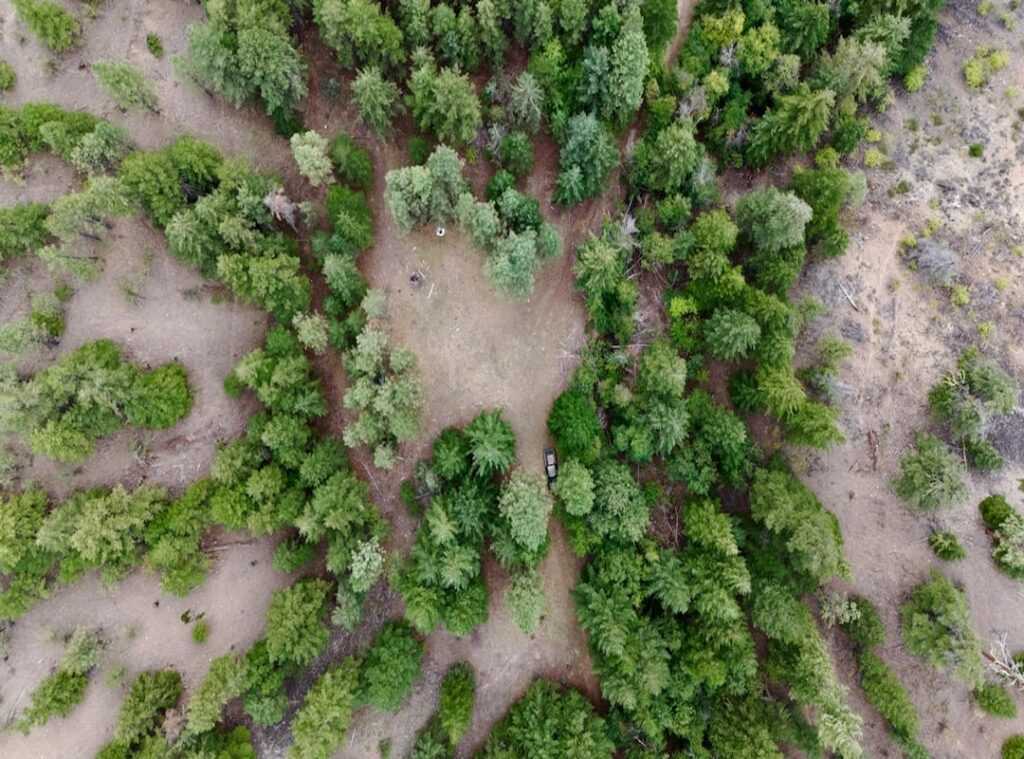
Getting away from it all sounds great, right? But where do you even start when the world feels mapped out and overrun? I’ve been there.
The lure of off-grid trails is undeniable. You want solitude, a chance to disconnect, and maybe a bit of adventure. That’s what you’re after when you hike into the unknown, away from the buzz of daily life.
Why should you trust this piece? Because we’re diving into the nitty-gritty of true outdoor living. This isn’t about the tourist spots or the easy paths.
No fluff here. Just solid takeaways into the best hidden trails and the essentials you’ll need to tackle them.
We’ll explore what gear actually works when you’re miles from civilization, and how to get through those trails that Google Maps can’t find. If you’re ready to embrace the wild and learn more about forging your own path, you’re in the right place. Let’s get started.
Remote Hiking: What Does It Really Mean?
When you hear “remote hike,” what pops into your head? Is it a deserted trail deep in the wilderness or just a quiet weekday trek in a state park? There’s a big difference.
A less-trafficked path might have fewer people, but a truly remote hike is a whole other beast. We’re talking no signs, trails that look like they’ve been forgotten, and zero cell service. You’re on your own out there.
Now, let’s bust a myth. You don’t need to fly to Alaska or trek to the Himalayas for that off-grid experience. Surprised?
You can find remote spots in your backyard if you know where to look. National Forests or BLM lands often hide these gems. Last summer, I stumbled upon an isolated canyon just a short drive from a bustling national park entrance.
No one around for miles (felt like I had the world to myself).
Curious how to find these hidden treasures? Check out trail trekking finding lesser known hiking routes. It’s all about discovery and embracing the unknown.
So, are you ready to ditch the crowds and explore off-grid trails?
Trailblazer’s Toolkit: Uncover Hidden Paths
Finding those hard to find off-grid trails is all about plan. I start with digital scouting. It’s like a detective game, using mapping tools like Gaia GPS or CalTopo.
Why? Because these platforms are goldmines for discovering trails that aren’t on everyone’s radar. Turn on public land layers.
Look for those faint dotted lines and old service roads. They hint at paths less traveled and away from the crowd.
But let’s not forget the power of paper. A sturdy, physical topographic map is your best friend. You know, like those USGS quads.
They show details that digital maps can miss, and they won’t run out of battery. Ever try to zoom in on a dead phone? It’s not happening.
Besides, having a map in your hands connects you to the terrain in a way that a glowing screen just can’t.
The “trail offshoot” technique is next. When you’re on a moderately used trail, keep your eyes peeled. Look for those unmarked spur trails or game paths.
It calls to you.
They might just lead you to an old logging route that heads into the wild. It’s like picking up the scent of adventure. You’re there, hiking along, and suddenly there’s a whisper of a path breaking off.
Then there’s the local intel plan. I head to the nearest ranger station. Not for secret spots (those) are usually closely guarded.
But ask about land use or dispersed camping areas. These little nuggets can lead to decommissioned roads and remote paths. Rangers know their stuff, and a friendly chat can open up a whole new world of exploration.
Does this all sound like a lot? Maybe. But each step takes you closer to those hidden gems.
You don’t just find off-grid trails by accident. It’s a mix of tools and old-school savvy. That moment when you step onto a path that’s yours alone?
That’s the thrill. And that’s why we do it. Discovering trails is more than a walk. It’s an adventure.
Gear Up: Off-Grid Trails Essentials
When you leave the comfort of popular paths and step into the wild, your gear needs an upgrade. Trust me, it’s not just about having the coolest gadgets. It’s about survival.
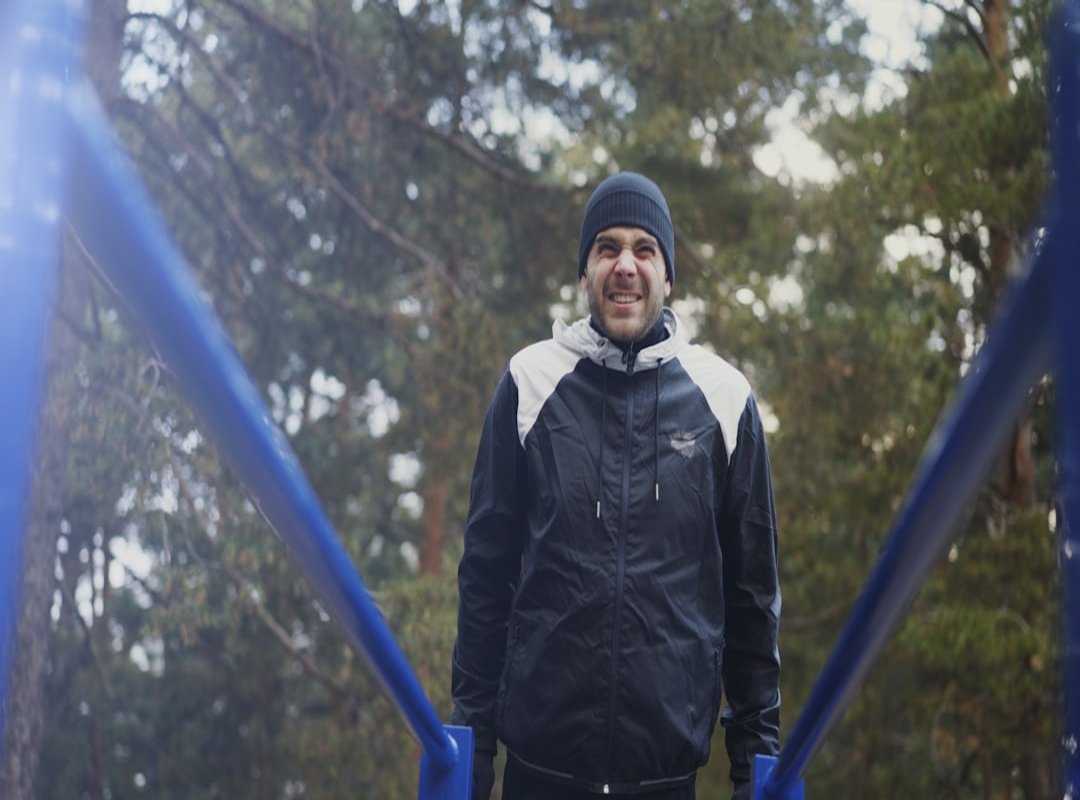
First, let’s talk about the Navigation Trinity. You need a GPS device or app with pre-downloaded maps. I know, phones are great, but batteries die. a physical map comes in.
It’s your backup when tech fails. And don’t underestimate a real compass. It’s the unsung hero that doesn’t rely on satellites or signal.
Now, emergency communication. A Personal Locator Beacon (PLB) or satellite messenger isn’t a luxury. It’s your lifeline.
Imagine being days away from help, no signal, and an injury. That’s not the time to wish you had one. They’re like those ‘Get Out of Jail Free’ cards in Monopoly (but real).
A first-aid kit for remote trails needs more than band-aids. Think of it as your mobile ER. A SAM splint, trauma shears, and a quality tourniquet are important.
You become your own first responder out there.
Water and food? Double up. The ‘Ten Essentials’ are great, but when you’re mapping uncharted territory, add an extra liter of water capacity and a filter.
Trust me, dehydration is a real mood killer. And pack an extra day’s worth of high-calorie, non-perishable food.
Ready to dive deeper? Check out this mapping uncharted territory hikers guide. It’s packed with takeaways on tackling off-grid trails.
Unbreakable Rules for Remote Hiking Safety
Let’s get real. Hiking off-grid trails isn’t just a walk in the park. There are unbreakable rules to keep you safe, and I’m here to spell them out.
First, before you even think about setting out, leave a “Mission Plan,” not just a note. You need to include your car’s make and model, license plate, exact trailhead coordinates, and intended route. Don’t forget your planned return time and a “panic time” when your contact should call for help.
If you’re not doing this, you’re asking for trouble.
Ever try reading a map and compass in the wild without practicing first? Don’t. Trust me, confidence is built through practice.
You should be comfortable with these tools in a familiar local park before relying on them in remote areas. It might seem tedious, but it could save your life.
And here’s something people often overlook: the turn-around trigger. The smartest hikers know when to turn back. If the weather shifts, daylight fades faster than expected, the trail becomes too difficult, or you just feel uneasy, it’s time to head home.
No hike is worth risking your safety.
Situational awareness is another key. You should frequently stop to look behind you (to memorize your return route), check your position on the map every hour, and stay alert for wildlife. Ever get that feeling of not knowing where you are?
It’s terrifying. Avoid it by staying aware.
So, are you ready to tackle those off-grid trails with the right mindset? Safety isn’t negotiable out there. Follow these rules, and you’ll be better prepared for your adventure.
Trailblaze Your Own Path
You’re craving solitude. I get it. Crowded trails aren’t the answer.
But here’s the thing: the solution isn’t magic. It’s about skills, not secrets. You’ve got the blueprint now.
By mixing high-tech maps with old-school prep (think compass and a sense of adventure), you’re set for a lifetime on off-grid trails. So, what’s next? Curiosity.
This week, pull up a map of your nearest National Forest. Find a forest service road and explore it digitally. Let your curiosity lead you.
It’s that simple. Tired of the same old, same old? Here’s your chance to change that.
Explore what others overlook. You’ve got the tools. Now take the leap.
Start your off-grid adventure. Don’t wait. Open that map now.
Discover the undiscovered.