
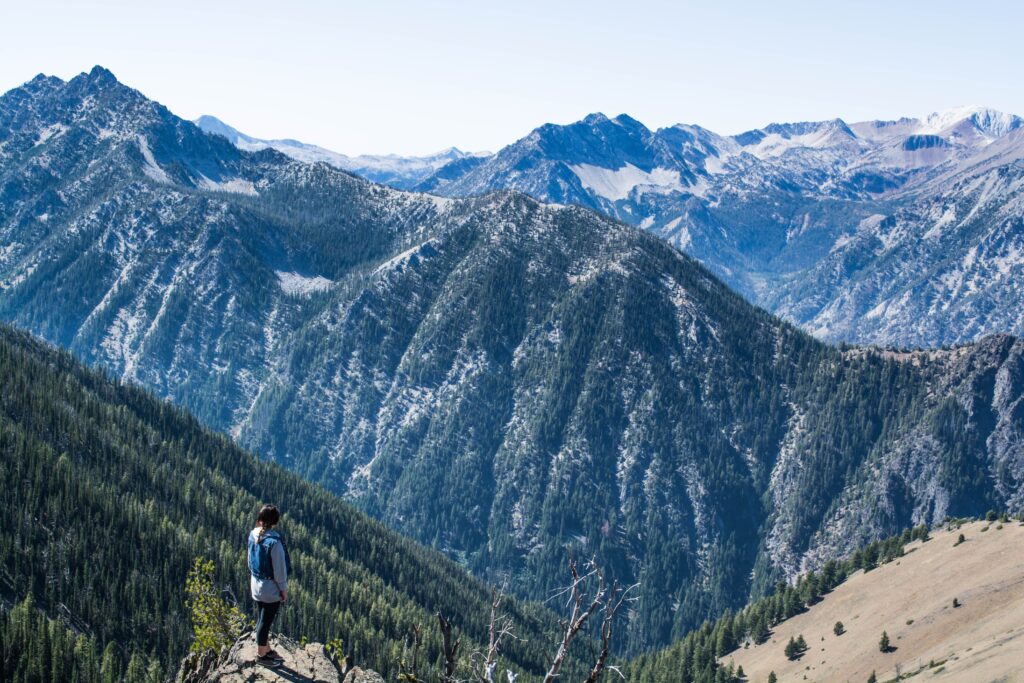
High-elevation hiking is one of the most rewarding outdoor experiences out there.
Mountain climbing can also be one of the most hazardous activities if you fail to acclimatize your body. Thin air, low oxygen, freezing nights. It can turn your dream vacation into a nightmare quicker than you can blink.
The good news?
Follow these acclimatization guidelines and you can avoid altitude sickness completely. You’ll not only survive your climb, you’ll enjoy every minute of it. Whether you’re going on a sunrise hiking tour through the Andes or climbing a mountain in Nepal, these guidelines apply.
Here are the acclimatization strategies of veteran mountaineers — tested on giants and proven by science.
Here is how to do it…
Here’s what’s in store:
- Why Acclimatization Is Non-Negotiable
- The Golden Rules Of Gaining Altitude
- Pre-Trip Habits That Build Tolerance
- On-The-Trail Strategies That Work
- How To Spot Altitude Sickness Early
- Why Guided Routes Make Life Easier
Why Acclimatization Is Non-Negotiable
Altitude sickness doesn’t care how fit you are.
Marathon runners, gym rats, weekend warriors. They’re all affected eventually because when you get to high elevations there’s less air and your body can’t absorb as much oxygen.
According to newer research, AMS prevalence is 25% to 43% of people climbing to altitudes of 2,500-4,300 metres. That’s a massive percentage of people getting ill on the mountain.
Here’s the kicker: most cases are completely preventable.
A solid acclimatization plan helps your body:
- Produce more red blood cells
- Increase breathing efficiency
- Adapt to lower oxygen pressure
- Reduce the risk of serious illness
That last point is important. Without acclimatization, moderate altitude sickness can progress into life-threatening illnesses such as HACE or HAPE. Both of these are medical emergencies. Both require immediate evacuation.
Some routes facilitate acclimatization better than others. A sunrise hiking tour like the short Inca trail to Machu Picchu hike gives trekkers an achievable two-day itinerary with built-in altitude breaks – ideal for novice trekkers getting used to the Andes without pushing the body too hard.
The Golden Rules Of Gaining Altitude
There are a few rules that every high-elevation hiker should follow.
These aren’t recommendations. They are decades of mountaineering research compressed into rules that save lives every year.
Rule 1: Ascend Slowly
Above 3000 metres you shouldn’t ascend more than 300 to 500 metres per day. If you ascend faster you risk severely straining your body.
Rule 2: Climb High, Sleep Low
This is considered the best way to acclimatize. Climb higher during the day, but sleep at a lower elevation each night. Your body experiences the altitude, but recovers while you sleep.
Rule 3: Take Rest Days
Plan one full rest day for every 1,000 metres of ascent. Hydrate, eat and allow your body to acclimatise.
Rule 4: Listen To Your Body
Don’t hike if you don’t feel well. Powering through symptoms is how people get helicopter rides.
Pre-Trip Habits That Build Tolerance
Acclimatization doesn’t begin on the trail. It begins weeks before you pack your bag.
Here’s what you should be doing in the lead-up to your trip:
- Build cardio fitness — long hikes, running, cycling
- Practice deep breathing — train your lungs to work harder
- Hydrate consistently — start days before departure
- Avoid alcohol and smoking — both make acclimatization worse
- Sleep well — rested bodies adapt faster
If you live at sea level, schedule a few “acclimatization” days at moderate altitude before your ascent. Spending just 2 or 3 nights at 2,500 metres (8,200 feet) can significantly decrease your chance of getting AMS.
Another discussion you should have with your doctor is preventative medicine. Acetazolamide (known by the brand name Diamox) is the drug of choice for climbers traveling to very high altitudes. It can hasten acclimatization and help prevent early symptoms from getting out of hand.
Altitude training tents or simulated hypoxic training chambers are another tool utilized by some hardcore climbers. These can be expensive but allow your body to acclimate to “thin air” well before stepping foot on a mountain.
On-The-Trail Strategies That Work
Once you are on the mountain, the real work begins.
The most common error is to approach altitude hiking as you would a normal trek. It’s not. Everything you do, from pace to eating and sleeping habits must change.
Pace Yourself
Walk slower than you think you need to. Much slower. You should be able to carry on a full conversation while hiking – if you can’t you are hiking too strenuously.
Eat Carbs
Your body burns through carbs faster at altitude. Pack snacks like:
- Energy bars
- Dried fruit
- Nuts and trail mix
- Crackers and cheese
Avoid heavy fatty meals that take ages to digest. Light, frequent meals work best.
Hydrate Like A Maniac
You sweat and breathe more at altitude causing increased fluid loss. In addition, the air is usually much drier. Drink 3 to 4 litres of water daily. Include some electrolytes if possible.
Skip The Booze
Drinking alcohol on an expedition is not a good idea. It dehydrates you, disrupts sleep, and inhibits acclimatization. Save the celebratory beverages for when you return home.
Spotting Altitude Sickness Early
Knowing the warning signs of altitude sickness is half the battle.
AMS typically develops hours after ascent to high altitude. Mountaineering literature states that 75% of climbers experience mild AMS above 3,048 metres.
Mild symptoms include:
- Headache
- Fatigue
- Nausea or loss of appetite
- Dizziness
- Trouble sleeping
If your symptoms worsen — confusion, trouble walking, chest tightness — head downstairs right away. Don’t hesitate. Don’t lie down. Go down.
A handy mountaineering motto sums it up: “Don’t go up until symptoms go down.”
Why Guided Routes Make Life Easier
Going it alone at altitude is risky, especially for first-timers.
Guided tours come with acclimatization days already planned in, knowledgeable guides who can recognize symptoms early on, and emergency evacuation plans should things start to turn ugly. Guided tours take the guesswork out of your pacing.
This is particularly useful on famous trails when it can be tempting to hike faster. Sunrise hiking tours with a guide through historical landscapes such as the Andes offer:
- Pre-planned ascent profiles
- Proper rest stops along the way
- Local knowledge of weather and terrain
- Emergency oxygen and first aid
The peace of mind alone is worth the price tag.
Bringing It All Together
High-elevation hiking is a bucket-list experience.
However, what separates a wonderful trip from a nightmare is one factor: acclimatization. With gradual ascents, careful preparation before your trip and by monitoring your body’s reactions, you can ascend to extreme altitudes and smile.
To quickly recap:
- Ascend slowly and follow the golden rules
- Prep your body weeks before the trip
- Hydrate, eat carbs and skip alcohol
- Watch for symptoms and don’t push through them
- Consider guided tours for safer pacing
Get the acclimatization right and those mountain views? Absolutely worth every step.