
Picture this: You’ve got a thrilling expedition in mind, filled with adventure and discovery. But here’s the catch. Planning it feels like trying to solve a puzzle with missing pieces.
I’ve been there. Without a solid system, you risk forgetting important details, leading to stress, wasted cash, or worse, a trip that never happens.
After years of organizing trips from quick getaways to extensive expeditions, I’ve cracked the code on adventure travel planning. It’s not just about packing a bag; it’s about a structured approach that transforms chaos into an adventure you can actually enjoy.
And this guide? It’s your repeatable blueprint. So, are you tired of plans falling apart?
Dive in and discover how to turn that overwhelming dread into excitement. Trust me, it’s easier than you think.
Phase 1: From Big Idea to Concrete Plan
Adventure travel planning isn’t just throwing a dart at a map. It’s deciding on a vision that drives everything else. Is it about summiting a peak, mastering a skill, or just getting lost (in a good way)?
This phase is the core of what everything will revolve around.
Now, let’s talk research. Does the trip need a specific season? Imagine trudging through snow when you planned for a sunny hike.
It’s the stuff of nightmares. You should ask yourself about physical demands too. Is your body ready for it?
And money (because we can’t escape it) (what’s) a realistic budget? These are the questions that need answers before you dive in.
How about the team? Solo or group? A group means understanding skill compatibility and dynamics.
Ever been on a trip where someone’s constantly complaining? Not fun. Expectations should be set early.
It saves you loads of headaches later.
Creating a ‘Mission Brief’ is key. This one-page wonder outlines your objective, timeline, key spots, team, and budget. It’s like your travel blueprint.
Without it, you’re just winging it. And trust me, winging a big trip isn’t always the best idea.
For those of you exploring unique travel destinations off beaten path, this phase is even more key. Get the plan down right and your trip becomes the adventure of a lifetime. Stick to this guide, and you’ll be well on your way to making that big idea real.
Phase 2: The Logistics Labyrinth
Adventure travel planning isn’t for the faint-hearted. It’s a maze. First things first, you need a master gear list.
Start with broad categories like shelter, cooking, clothing, and safety. Then drill down to individual items. This isn’t just busywork; it’s your survival kit.
Ever heard of a “shakedown” trip? It’s a shorter, local adventure to test all your gear and systems before the main event. Think of it as a dress rehearsal.
It might seem like overkill, but trust me, it saves headaches later. You don’t want to be the guy realizing his tent leaks halfway through a storm.
Now, let’s talk paperwork. Permits, visas, and other documents are often overlooked. You might think, “How hard can it be?” but these can derail your plans fast if ignored.
Start the process months in advance. Seriously. Research what’s needed and apply early.
This isn’t just a suggestion; it’s key.
Mapping out transportation logistics is another beast. We’re talking flights, rental vehicles, and specialized transport like bush planes or boats. Build buffer days into your travel schedule.
Flights get delayed. Weather changes. Expect the unexpected.
If you’re thinking about how to put all this together, check out how i plan my next adventure. It’s got takeaways from someone who knows the ropes.
Planning an adventure is like a puzzle. Each piece matters. Get one wrong, and the whole picture’s off.
But when you nail it, there’s nothing like the freedom and thrill of knowing you’re ready for anything. So grab your map, get your gear in line, and start plotting your course. You’ll thank yourself when you’re out there, living the adventure instead of just dreaming about it.
Master Your Itinerary: Flexibility vs. Rigidity
When it comes to adventure travel planning, people often confuse a rigid schedule with a flexible itinerary. The difference? A rigid schedule is like a straitjacket.
It suffocates spontaneity. A flexible itinerary, though, breathes life into your trip. It’s not just about where you go, but how you adapt along the way.
Let’s talk about day-by-day plans. You need objectives, estimated times, and key waypoints. But hold up.
Don’t let these become gospel. Plans should guide you, not bind you. What if you wake up to bad weather?
Flexibility allows for a rest day. A contingency plan is your travel insurance.
“Contingency planning.” Sounds fancy, but it’s just about preparing for the unexpected. Gear failure? Have a backup plan.
Minor injury? Know where the nearest medical help is. Transportation delay?
Adjust your schedule without the stress. Pro tip: Always have extra cash and snacks.
to the “what-if” scenarios. Think bad weather, gear failures, minor injuries, or transportation delays. These aren’t just hypotheticals.
Communication is key. Have a satellite messenger with check-in times. An emergency action plan is non-negotiable.
They’re realities of travel. You need to ask yourself: What’s the backup plan?
Key contacts saved, evacuation procedures outlined. Don’t just assume you’ll have cell service everywhere.
Curious about the top spots for adventure? Check out Top Countries Adventure Lovers Explore. It’s a good starting point for your next itinerary.
Remember, the best adventures come from the unknown. Embrace it. Be prepared, but stay open to change.
The Art of Packing: A System, Not a Scramble
Packing shouldn’t be a last-minute panic. Seriously, who likes scrambling around at the eleventh hour? Instead, treat it as the final flourish in your adventure travel planning.
It’s not just about shoving things into a bag; it’s about creating a system. A system that makes your trip smooth from start to finish.
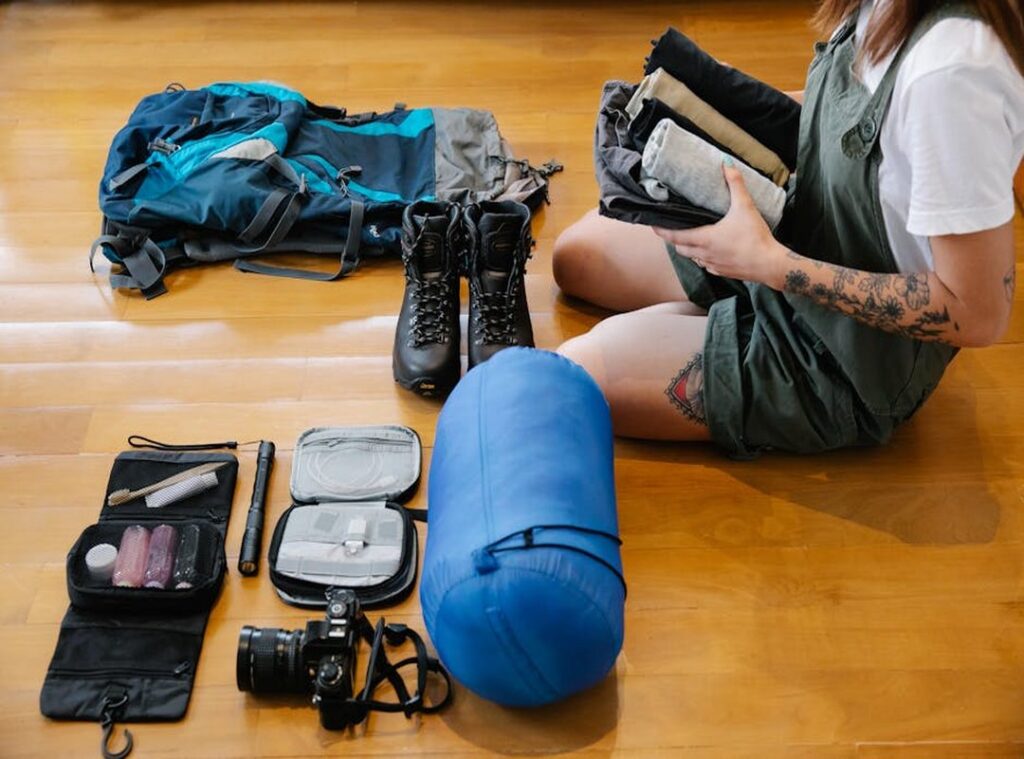
Enter the ‘modular packing’ method (fancy, right?). Here’s how it works: group your gear into specific kits. Think ‘Cook Kit’ for all your cooking gadgets or ‘Rain Gear’ for those inevitable downpours.
Use dry bags or packing cubes to keep everything in its place. It’s like having your own portable filing cabinet.
And there’s more. Lay everything out before you pack. I call it the ‘explosion’ method.
It might look chaotic, but trust me, it works. Plus, use a spreadsheet to track item weights (you’ll thank me when your back doesn’t ache). And always pack in reverse order of need.
Need that raincoat first? It goes on top.
Let me tell you, a well-organized pack isn’t just about saving time. It’s about peace of mind. Less stress and more time to enjoy the trail.
Imagine needing your first-aid kit in a pinch and knowing exactly where it is. That’s the real benefit. Who knew packing could be so zen?
Ready to Tackle Your Next Adventure?
Feeling swamped by adventure travel planning? You’re not alone. But here’s the deal: break it down.
By tackling each part step-by-step, that big, daunting trip becomes a reality. It’s all about building confidence and ensuring safety. And who doesn’t want an adventure that’s both fun and secure?
So, here’s what you do next. Pick a small trip you’ve been dreaming about. Use this system today.
Trust me, once you see how manageable it all becomes, you’ll be planning your next grand adventure in no time. Start small and watch as your travel dreams unfold.